

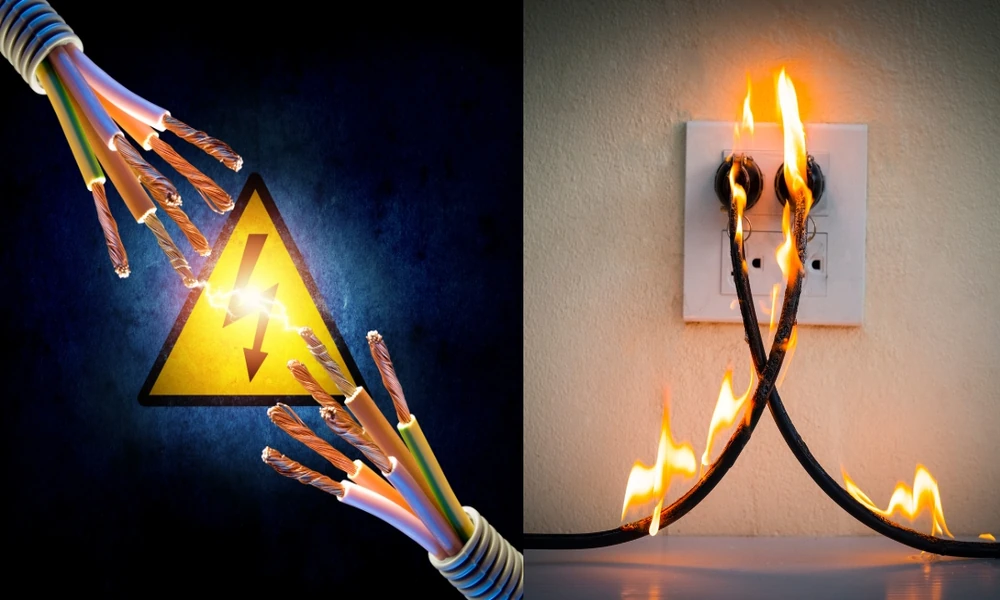
Most electrical issues don’t begin with dramatic sparks or sudden power outages. They often start with small warning signs that are easy to ignore, such as a light that flickers occasionally, an outlet that feels warm, or a circuit breaker that trips more often than usual. While these problems may seem like minor inconveniences, they can point to underlying electrical issues that deserve attention before they become more serious.
Understanding when to replace electrical panel is one example of staying ahead of potential electrical hazards. As homes age and electrical demands increase, older systems may struggle to safely handle modern appliances and electronics. Recognizing early warning signs and addressing them promptly can help protect both your property and everyone living inside it.
Frequent Circuit Breaker Trips
Circuit breakers are designed to protect your home’s electrical system by shutting off power when a circuit becomes overloaded or unsafe. While an occasional trip may happen after plugging in several high-powered devices, repeated breaker trips should never be ignored.
Frequent tripping often indicates that a circuit is carrying more electricity than it was designed to handle. In some cases, the issue may involve faulty wiring, damaged appliances, or an electrical panel that no longer meets the home’s power needs. Continuing to reset the breaker without identifying the root cause increases the risk of overheating and electrical damage.
If the same breaker continues to trip regularly, it’s time to have the system inspected by a qualified electrician rather than treating it as a normal occurrence.
Flickering or Dimming Lights
Lights that flicker occasionally during a storm may not be unusual, but flickering or dimming lights during everyday use can signal electrical problems inside the home. You may notice lights dimming when large appliances like air conditioners or microwaves turn on, or certain fixtures may flicker without any obvious reason.
These symptoms could point to overloaded circuits, loose electrical connections, deteriorating wiring, or voltage fluctuations. Loose connections are especially concerning because they can generate heat behind walls without being visible.
Instead of assuming it’s simply a faulty light bulb, pay attention to patterns. If multiple lights are affected or the problem becomes more frequent, professional evaluation is the safest option.
Warm Outlets or Switches
Electrical outlets and switches should remain relatively cool during normal use. If they feel warm or hot when touched, something isn’t working properly. Heat often indicates excessive electrical resistance, overloaded wiring, or loose internal connections.
You may also notice discoloration around outlets, buzzing sounds, or a faint burning smell. These signs should never be ignored, as they may indicate that electrical components are overheating.
Stop using any outlet that feels unusually warm and avoid plugging additional devices into it until it has been inspected. Addressing the issue early can prevent more serious damage to your electrical system.
Burning Odors and Unusual Smells
One of the clearest warning signs of an electrical problem is a persistent burning smell that cannot be traced to cooking or household appliances. Electrical insulation, wiring, and plastic outlet components may produce a distinct odor when they begin overheating.
If you notice this type of smell, turn off power to the affected area if it is safe to do so and contact a licensed electrician immediately. Continuing to use the circuit could increase the risk of electrical fire.
Never ignore burning odors simply because the smell eventually disappears. Intermittent overheating may still be occurring behind walls or inside electrical boxes.
Outdated Wiring Systems
Many older homes still contain electrical wiring that was installed decades ago. While older wiring isn’t automatically unsafe, certain outdated systems may no longer meet modern safety standards or handle today’s electrical demands effectively.
Homes built many years ago often have fewer circuits than newer homes, leading to overloaded outlets and heavy reliance on extension cords or power strips. Aging insulation around wiring can also deteriorate over time, increasing the possibility of exposed conductors or damaged connections.
If your home has never undergone an electrical inspection or renovation, scheduling a professional assessment can help identify potential safety concerns before they become expensive repairs.
Overloaded Power Strips and Extension Cords
Power strips and extension cords provide convenient temporary solutions, but they are not intended to replace permanent electrical outlets. When multiple high-powered devices share the same extension cord or power strip, the wiring may become overloaded.
Space heaters, microwaves, refrigerators, portable air conditioners, and similar appliances should typically be plugged directly into properly grounded wall outlets whenever possible. Constantly relying on extension cords may indicate that your home needs additional outlets or updated electrical circuits.
Keeping electrical cords organized and avoiding overloaded connections helps reduce unnecessary strain on your home’s electrical system.
Loose or Damaged Outlets
Outlets that no longer hold plugs securely can create poor electrical contact, causing small arcs each time a device is plugged in or removed. Over time, these tiny arcs generate heat that may damage both the outlet and connected devices.
Cracked outlet covers, loose faceplates, or visibly damaged receptacles should also be repaired promptly. While replacing an outlet may seem like a minor repair, ignoring damaged components allows electrical problems to worsen gradually.
Regularly checking outlets throughout your home can help identify small issues before they become larger safety concerns with the help of https://truepowerelectricalservices.org/trouble-shooting-and-repairs/
Don’t Ignore Early Warning Signs
One of the biggest mistakes homeowners make is assuming that small electrical problems will simply go away on their own. Unfortunately, electrical systems rarely fix themselves. Minor issues often become more expensive and potentially more dangerous the longer they remain unresolved.
Routine electrical inspections become even more valuable as homes age or when major renovations and new appliances increase overall electrical demand. A licensed electrician can identify hidden problems that may not yet show obvious symptoms while recommending upgrades that improve both safety and efficiency.
Conclusion
Small electrical issues often provide early warnings long before they become serious hazards. Frequent breaker trips, flickering lights, warm outlets, unusual odors, outdated wiring, and overloaded circuits all deserve prompt attention instead of being dismissed as everyday inconveniences. Addressing these warning signs early helps reduce the risk of equipment damage, costly repairs, and potential fire hazards.
Staying proactive with electrical maintenance protects your home, your family, and your investment. If you’ve noticed recurring electrical problems or your home’s system is showing signs of age, having it professionally evaluated is one of the smartest steps you can take toward maintaining a safe and reliable electrical system.
