

A tank water heater works quietly in the background, supplying hot water for showers, washing-up and laundry. Cloudy water, popping sounds or longer heating times may signal a developing problem.
What is sediment buildup?
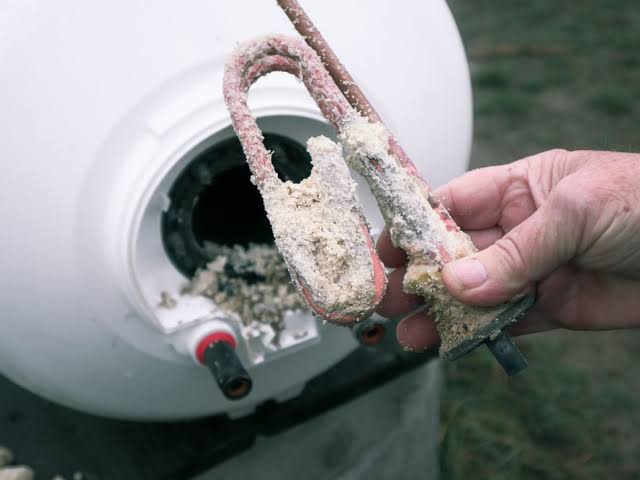
For homeowners comparing tank water heater services in Reno, NV, sediment is a layer of minerals, grit and other particles that settles at the bottom of the tank. Over time, the layer can affect heat transfer and reduce the amount of usable hot water.
A technician offering tank water heater services in Reno, NV, can check the tank, drain valve, anode rod and heating components. This inspection helps determine whether a simple flush is suitable or whether the unit needs a larger repair.
How sediment harms a water heater
It reduces efficiency
The burner or heating element must warm water through the sediment layer, creating a barrier between the heat source and the water. The heater may run for longer periods, use more energy and take more time to recover after heavy use.
It causes rumbling and popping noises
When water becomes trapped beneath compacted sediment, it can turn into steam bubbles as the tank heats. The bubbles rise through the deposit and collapse, producing popping, banging or rumbling sounds. These noises do not always mean immediate failure, but they should not be ignored.
It shortens tank life
Repeated heating and cooling can make the bottom of the tank expand unevenly when sediment is present. This extra stress can weaken the lining and contribute to leaks. Once a tank starts leaking, replacement is usually more practical than repair.
It affects hot-water quality
A disturbed layer of sediment can make hot water look cloudy or contain small particles. Rust-coloured water may also point to a worn anode rod or corrosion inside the tank. If discolouration continues after flushing, arrange a professional inspection rather than assuming sediment is the only cause.
What you can do about sediment
Arrange a professional flush
A trained professional can turn off the energy supply, connect a hose to the drain valve and flush the tank safely. The water should run until it is clear. The technician can then refill the tank fully before restoring power or relighting the burner. Heating an empty or partly filled tank can damage the unit.
Schedule routine maintenance
Many households benefit from a tank inspection and flush about once a year, although the right interval depends on water quality, usage and the heater’s age. During the visit, ask the technician to test the temperature and pressure relief valve and inspect the anode rod. Replacing a worn rod may help protect the tank from corrosion.
Avoid DIY shortcuts
Do not hit the tank to break up deposits, remove safety controls or open fittings while the unit is hot. Gas models require extra care because incorrect handling can create fire or carbon-monoxide risks. If the drain valve is blocked or the water remains dirty after flushing, stop and call a qualified professional.
Frequently asked questions
Can sediment cause a water heater to stop working?
Yes. Heavy deposits can overheat an element, obstruct a burner area or contribute to valve and tank damage.
Is flushing worthwhile on an older heater?
It depends on its condition. A technician should check for leaks, corrosion and a functioning drain valve first. Aggressive flushing of a badly neglected tank may reveal existing weaknesses.
How can I reduce future buildup?
Regular maintenance is the main step. A whole-home sediment filter or suitable water-treatment system may also help, but it should be selected after testing the incoming water and discussing installation needs.
Sediment buildup is easy to overlook, yet it can waste energy, create noise and place avoidable strain on a tank water heater. Early inspection, safe flushing and regular maintenance help preserve dependable hot water and show when replacement is the better option.
Conclusion
Sediment buildup may seem like a minor issue, but over time, it can reduce your tank water heater’s efficiency, increase energy costs, affect water quality and shorten the unit’s lifespan. Regular maintenance, timely flushing and professional inspections can help prevent these problems and keep your system running reliably. If you notice unusual noises, cloudy water or slower heating, consider contacting a professional for tank water heater services in Reno, NV. Addressing sediment buildup early can help you avoid costly repairs, extend your heater’s service life and enjoy a consistent supply of hot water.
