

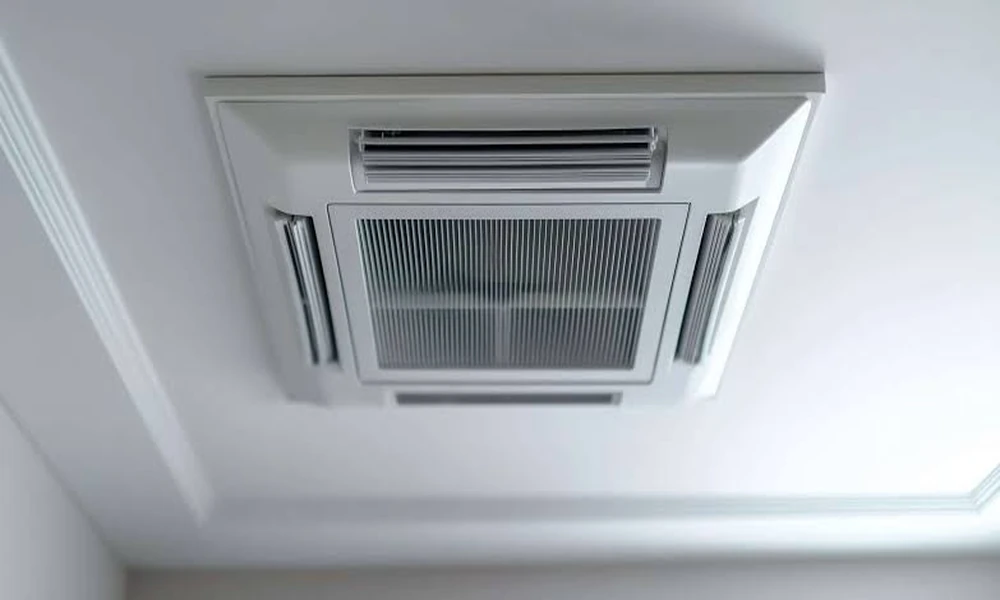
A central air conditioner should keep your home comfortable during hot weather, but there are times when it runs without providing the cooling you expect. You may notice that some rooms stay warm, the system takes much longer to reach the thermostat setting, or cool air from the vents doesn’t feel as strong as it normally does. These changes can happen for several different reasons.
Not every cooling problem means the air conditioner needs to be replaced. Issues with airflow, maintenance, the thermostat, ductwork, or individual components can all affect performance. Homeowners considering central AC services in Wallace can benefit from understanding some of the common reasons a central AC may struggle before deciding what needs to be done.
A Dirty Air Filter Can Restrict Airflow
One of the simplest things to check when an AC isn’t cooling properly is the air filter. As the filter collects dust and other airborne particles, it can become clogged and restrict the amount of air moving through the system.
Reduced airflow can make it harder for the air conditioner to distribute cool air throughout the home. The system may also need to run longer to reach the desired temperature, which can affect both comfort and energy use.
Checking the filter regularly is a simple part of routine AC care. If it’s visibly dirty or heavily loaded with dust, replacing it may improve airflow. However, if cooling remains poor after the filter is changed, another issue may be responsible.
The Thermostat May Not Be Reading Correctly
The thermostat controls when the air conditioner starts and stops, so problems with the thermostat can affect the entire cooling cycle. An incorrect setting, weak batteries, poor placement, or a malfunctioning thermostat can make the home feel warmer than expected.
Check that the system is set to cooling and that the temperature is set below the current indoor temperature. It’s also worth making sure the thermostat isn’t being affected by direct sunlight, heat from appliances, or another nearby source.
If the thermostat appears to be working but the AC isn’t responding properly, professional troubleshooting may be needed.
Outdoor Unit Problems Can Affect Cooling
The outdoor unit plays a major role in the cooling process. It releases the heat that the system removes from inside the home, so problems with the outdoor equipment can reduce overall cooling performance.
Leaves, grass clippings, dirt, and other debris can collect around the unit and interfere with airflow. Mechanical or electrical problems can also prevent the outdoor equipment from operating correctly.
Keeping the area around the outdoor unit reasonably clear can support proper airflow. Homeowners should avoid opening electrical panels or attempting repairs themselves, as the equipment contains electrical components that require proper handling.
Low Refrigerant Can Reduce Cooling Performance
Refrigerant is responsible for transferring heat from inside the home to the outdoors. If the system has a low refrigerant charge, it may not be able to absorb and release heat effectively.
A low refrigerant level is often associated with a leak or another underlying problem rather than normal operation. Signs can include longer cooling cycles, reduced cooling, or ice forming on certain components.
Adding refrigerant without identifying the reason for the low level doesn’t solve the underlying issue. If refrigerant problems are suspected, the system should be properly inspected to determine what is causing the loss.
Ductwork Can Cause Uneven Cooling
Sometimes the air conditioner is operating normally, but cool air isn’t reaching every room effectively. Ductwork problems can contribute to this issue, particularly when ducts have leaks, gaps, poor connections, or inadequate insulation.
You may notice that certain rooms consistently feel warmer than others even though the thermostat shows that the home has reached the desired temperature. Airflow may also feel weaker at some vents than others.
Because much of a duct system can be hidden behind walls, ceilings, or floors, identifying these problems may require professional evaluation.
The AC May Be Too Small for the Home
An air conditioner needs to be appropriately sized for the space it is cooling. If the system doesn’t have enough capacity for the home’s cooling requirements, it may run for long periods without maintaining comfortable temperatures.
On the other hand, a system that is too large can also create problems because it may cycle on and off more frequently instead of running long enough to properly remove humidity.
If your home’s cooling needs have changed because of an addition, renovation, insulation improvements, or other changes, it’s worth considering whether the existing equipment is still appropriately matched to the property.
Dirty Coils Can Affect System Performance
The indoor and outdoor coils need to transfer heat effectively for the air conditioner to work properly. Dust, dirt, and other buildup can interfere with this process.
A dirty outdoor coil can make it harder for the system to release heat, while a dirty indoor coil can affect heat absorption and airflow. Regular maintenance can help keep these components in better operating condition.
Coil cleaning can involve components that are difficult or unsafe for homeowners to access. Professional maintenance may be appropriate when buildup is significant or when the system isn’t cooling as it should.
Electrical or Mechanical Problems May Be Involved
Central air conditioners contain many electrical and mechanical components, including motors, capacitors, controls, and other parts that can wear out over time.
A failing component may cause the system to run intermittently, make unusual sounds, fail to start, or provide reduced cooling. Electrical issues can also prevent the outdoor or indoor portions of the system from operating correctly.
If the AC suddenly stops working or begins behaving differently, avoid attempting to troubleshoot electrical components yourself. Professional service can help identify the faulty part safely.
When Cooling Problems Keep Returning
An occasional issue may be relatively easy to resolve, but repeated cooling problems deserve closer attention. If the system has been repaired several times, struggles every summer, or no longer provides consistent comfort, it may be worth looking at the overall condition of the equipment.
A professional can assess whether the problem is caused by a repairable component, airflow issue, maintenance concern, or an aging system that is no longer meeting the home’s needs.
Taking a broader look can help homeowners avoid spending repeatedly on temporary fixes when a more lasting solution may be appropriate.
Conclusion
A central air conditioner can struggle to cool a home for many reasons, including restricted airflow, thermostat problems, dirty coils, ductwork issues, low refrigerant, outdoor unit problems, or equipment that isn’t properly matched to the home. Some causes are simple to check, while others require professional diagnosis.
Paying attention to changes in cooling performance can help you catch problems before they become more disruptive. If your AC runs for long periods, leaves certain rooms warm, or repeatedly fails to maintain a comfortable temperature, having the system inspected can help identify the underlying problem and determine the right next step.
