

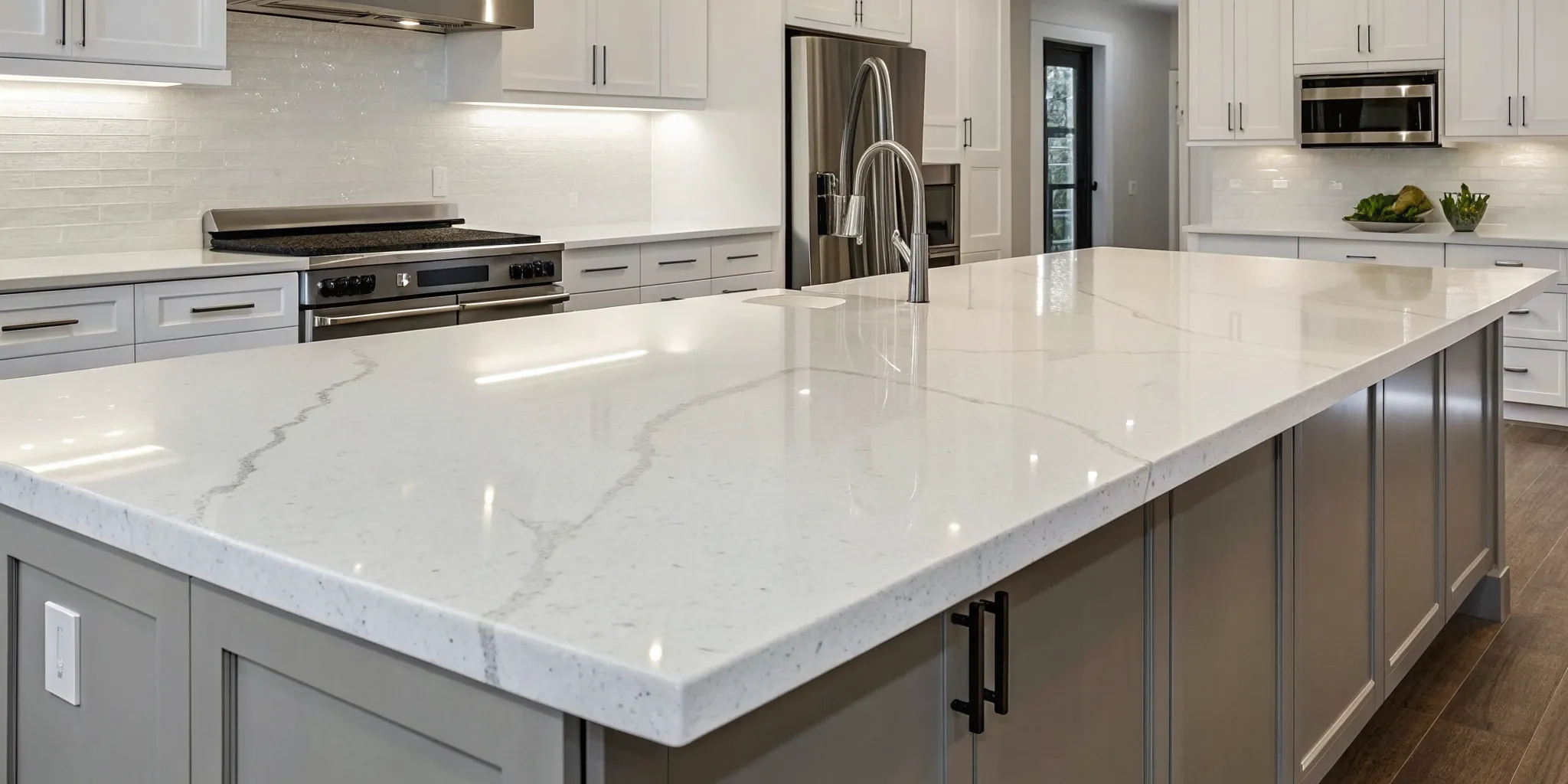
Quartz countertops are often praised as the gold standard for modern kitchens and bathrooms, but do they really live up to their reputation when put to the test of daily life? In homes where spills, heat, sharp objects, and constant activity are part of the routine, the right countertop can make all the difference.
Durability of Quartz Countertops Compared to Other Materials
When it comes to longevity, quartz holds its own in a side-by-side comparison with other popular choices. Granite, marble, laminate, and solid surface materials each have their loyal fans, but not all are equally prepared for the daily chaos of a busy household.
Quartz vs. Granite: Strength and Longevity
Granite is a natural contender, valued for its extreme hardness. Yet, unlike granite, quartz is engineered to resist both cracking and chipping while maintaining consistent color and pattern throughout each slab. Granite requires periodic sealing to prevent stains, while quartz stands strong without that extra maintenance.
Quartz vs. Marble: Resistance to Wear and Tear
Marble exudes luxury, but its porous nature makes it vulnerable to staining and etching, especially from acidic substances commonly found in kitchens. Quartz, with its dense and non-porous construction, shrugs off most household acids and resists permanent discoloration.
Quartz vs. Laminate and Solid Surface: Practical Considerations
Laminate and solid surface countertops can be budget-friendly, but they’re susceptible to scratching, warping, and stain absorption over time. In contrast, quartz offers a robust, low-maintenance alternative that withstands daily abuse with ease.
| Material | Durability | Porosity | Maintenance Needs | Resists Stains? |
|————–|————|———-|——————-|——————-|
| Quartz | High | None | Low | Yes |
| Granite | High | Low | Moderate | With Sealing |
| Marble | Moderate | High | High | No |
| Laminate | Moderate | Depends | Low | No |
| Solid Surface| Moderate | Low | Low | Somewhat |
Non-Porous Nature and Hygiene Benefits
Quartz’s non-porous surface is a clear advantage in both kitchens and bathrooms. Spilled coffee, wine, or tomato sauce won’t seep in and leave a memory, making it easy to keep surfaces pristine. More importantly, that non-porosity blocks bacteria and mold from finding a foothold, a critical factor in food preparation zones and bathrooms where moisture lingers.
Unlike granite and marble, which can harbor bacteria in their microscopic pores, quartz resists microbial buildup. Daily cleaning requires nothing more than a simple wipe with mild soap and water; harsh chemicals and heavy scrubbing are unnecessary.
Resistance to Scratches, Heat, and Impact
Busy kitchens need more than just beauty. When knives slip off cutting boards or a pot lands heavily on the counter, will quartz hold up?
– Scratch Resistance: Quartz stands out for its ability to resist everyday nicks from kitchen tools, though it’s still wise to use cutting boards for knife work.
– Heat Resistance: While quartz tolerates moderate heat, direct contact with hot pans can cause damage. The use of trivets or pads is recommended.
– Impact Resistance: Quartz’s engineered composition provides substantial resilience against dropped objects and heavy use, outperforming marble and laminate when it comes to everyday accidents.
Aesthetic Versatility and Color Options
Quartz’s visual range is unmatched. Whether you want crisp whites, deep blacks, or dramatic veining that mimics marble, the options are nearly endless. This breadth of color and pattern means it can effortlessly fit with minimalist, contemporary, or even traditional decors. Custom edging and tailored slab sizes offer further personalization, ensuring your space reflects your unique style.
Maintenance Requirements and Longevity
One of the secret weapons of quartz is its simplicity. Routine cleaning involves little more than soap and water. There’s no need for annual sealing, polishing, or special conditioners, unlike marble and granite. Stains rarely set in, and the surface retains its original luster for years, even in households with heavy traffic.
Cost Considerations and Value Over Time
Quartz typically comes with a higher upfront price tag than laminate or solid surface materials, but less than premium marble. However, the true value of quartz becomes clear over time. Minimal maintenance, fewer repairs, and a long lifespan give it a strong edge in total cost of ownership. Homebuyers increasingly see quartz as a premium upgrade, often boosting resale value.
| Countertop | Average Price per sq.ft | Maintenance Cost | Expected Lifespan |
|—————–|————————|——————|——————-|
| Quartz | $60-$100 | Low | 20+ years |
| Granite | $50-$100 | Moderate | 20+ years |
| Marble | $75-$200 | High | 20+ years |
| Laminate | $20-$50 | Low | 10-15 years |
Suitability of Quartz for Busy Kitchens vs. Bathrooms
Both kitchens and bathrooms demand surfaces that can handle frequent use, moisture, and unavoidable spills. Kitchens test counters with sharp objects, heat, and heavy pots. Bathrooms challenge them with humidity, cosmetics, and cleaning supplies. Quartz’s resilience, non-porosity, and color stability make it equally at home in both settings.
Final Verdict: Is Quartz the Ideal Choice for High-Demand Areas?
Quartz countertops combine durability, hygiene, aesthetic flexibility, and easy maintenance. For homeowners who want a worry-free surface that stands up to life’s messiest moments, quartz is a proven winner. Of course, personal taste and budget matter, but for most busy households, few surfaces check as many boxes.
For those considering a quartz upgrade, options like the Casa Granite comptoir quartz offer a blend of technology, style, and expertise to help you choose the perfect fit. Whether your kitchen is the heart of the home or your bathroom is your daily retreat, quartz more than proves it can take the heat, and everything else life throws its way.
