

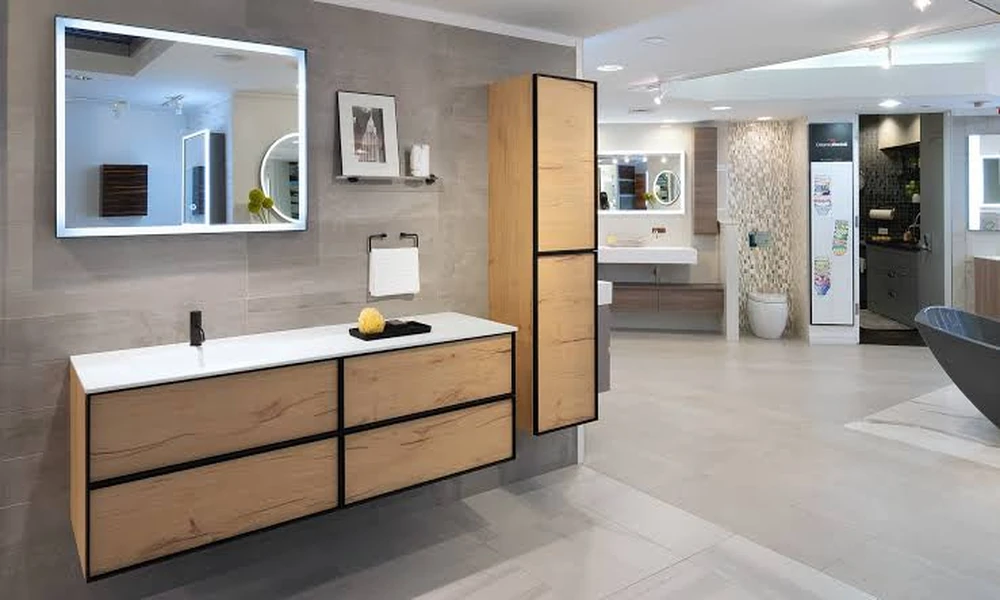
A bathroom renovation can transform your daily routine, but the choices quickly get real when you reach the vanity stage. Do you opt for a sleek wall-mounted unit, or stick with the tried-and-true freestanding vanity? The answer shapes not just the look, but the feel and function of your space.
Wall-Mounted vs. Freestanding Vanities: Defining the Basics
What Makes a Vanity Wall-Mounted?
Wall-mounted vanities “float” above the floor, installed directly onto the wall. This creates visual openness and makes the bathroom appear larger by freeing up floor space. The streamlined effect fits beautifully with modern and minimalist styles, and cleaning becomes simpler when there are no baseboards or cabinet edges collecting dust.
Characteristics of Freestanding Vanities
Freestanding vanities, in contrast, sit directly on the floor, like traditional furniture. They often feature legs or a solid base, grounding the room with their substantial profile. This classic look is well suited to both contemporary and traditional bathrooms, and freestanding vanities tend to offer generous built-in storage. The furniture-like feel can introduce warmth and character, especially in larger bathrooms.
Visual and Spatial Impact in Bathroom Design
The presence or absence of floor contact dramatically influences the perception of space. A wall-mounted unit gives the illusion of a bigger, airier room, ideal for small bathrooms. Freestanding vanities, however, anchor the space and can make an ensuite feel inviting and luxurious.
Case Study 1: Maximizing Space in a Compact Powder Room
Choosing a Wall-Mounted Vanity for Openness
Consider a powder room where every square inch counts. Installing a wall-mounted vanity makes the room feel less cramped by exposing more visible floor. Slim profiles and compact sinks maximize elbow room without sacrificing style.
Storage Solutions and Functional Considerations
Compact storage can still be practical. Many wall-mounted vanities include pull-out drawers or hidden compartments for essentials. In a powder room, where heavy storage isn’t as critical, this streamlined solution fits perfectly.
Outcome and Lessons Learned
The result is a powder room that feels fresh and uncluttered. The openness created by the floating vanity demonstrates how smart design choices can make a small space welcoming.
Case Study 2: Designing a Spacious Ensuite with a Freestanding Vanity
Selecting the Right Size and Style
In a large ensuite, a double-sink freestanding vanity becomes a focal point. The extra width provides ample storage for couples or families, and the solid structure can support heavier countertops like marble or quartz.
Coordinating with Sinks, Faucets, and Mirrors
Freestanding vanities pair well with vessel sinks, widespread faucets, and ornate mirrors, allowing for a cohesive, luxury feel. Choosing matching finishes for fixtures and cabinetry helps the space feel curated and harmonious.
Enhancing Storage Without Clutter
Adding side cabinets or tallboys next to the main vanity is an effective way to gain storage without visually overwhelming the space. Open shelving or coordinated side units can hold towels, toiletries, and decorative items while keeping surfaces clear.
Installation and Practical Considerations
Plumbing and Structural Requirements for Wall-Mounted Units
Supporting a wall-mounted vanity requires sturdy wall framing to bear the weight. Plumbing may also need to be rerouted higher on the wall, which can add to installation costs and complexity.
Floor Space and Mobility Factors for Freestanding Vanities
Freestanding vanities are generally easier to install, requiring less structural modification. However, they occupy more floor space, which could restrict movement in tighter layouts.
Maintenance and Longevity Comparison
Wall-mounted units make floor cleaning a breeze, but may be more susceptible to wall moisture if not properly sealed. Freestanding units protect plumbing better and can be more forgiving in high-traffic, family bathrooms.
Style, Material, and Finish Options
Matching Vanity Styles to Bathroom Themes
Minimalist, industrial, or Scandinavian bathrooms often feature wall-mounted vanities. Traditional, farmhouse, or transitional spaces lean toward freestanding pieces with decorative profiles.
Durable Materials and Finishes for Each Type
Popular materials include engineered wood, solid hardwood, and moisture-resistant MDF. Finishes range from high-gloss lacquer to natural wood tones, and both vanity types offer ample customization.
Customization and Coordinating Accessories
Many brands offer customizable options for dimensions, drawers, and finishes. It’s easy to coordinate Vasca Design vanities with matching storage cabinets, mirrors, and faucets for a unified aesthetic.
Storage Capacity and Organization Strategies
Built-in Storage Features in Wall-Mounted Vanities
Even slim wall-mounted vanities can hide deep drawers or innovative organizers to maximize what you can store in a compact unit.
Freestanding Units with Additional Cabinets or Side Units
Larger vanities often pair with linen towers or side cabinets for expanded storage. These modular solutions keep the bathroom tidy without crowding the floor plan.
Integrating Storage Without Overcrowding the Space
The key is to balance storage needs with visual airiness. Use drawers for clutter, display only essentials, and add storage vertically when possible.
Making the Right Choice: Factors to Consider
Bathroom Size and Layout Assessment
Small spaces benefit from floating vanities and open lines of sight. Larger bathrooms can accommodate statement freestanding vanities plus extra cabinetry.
Personal Style and Design Preferences
Your taste should guide you. Do you love minimalist efficiency, or crave the richness of classic furniture? Let your preferred vibe lead your selection.
Budget and Installation Complexity
Factor in both product and installation costs. Wall-mounted units may demand more labor, but the visual payoff can be worth it in tight spaces. Freestanding options can often be installed with fewer modifications.
Expert Tips from VASCA Designers
How to Measure and Plan Your Vanity Space
Always measure wall width, floor clearance, and plumbing locations before deciding. Consider door swings, traffic flow, and available lighting, too.
Coordinating Vanities with Bathroom Furniture and Fixtures
Match finishes, metals, and lines for a seamless look. Even contrasting styles can work if they share consistent proportions and color palettes.
Leveraging Professional Guidance for Renovation Success
Consulting with experienced designers, like those at Vasca, can simplify complex decisions. Free design consultations ensure that every choice, whether wall-mounted or freestanding, suits your space and vision.
Whether your renovation calls for floating minimalism or grounded elegance, clarity comes from understanding the trade-offs. Use your room size, lifestyle, and personal aesthetic to guide you, and your new vanity will anchor your bathroom in style and function.
