

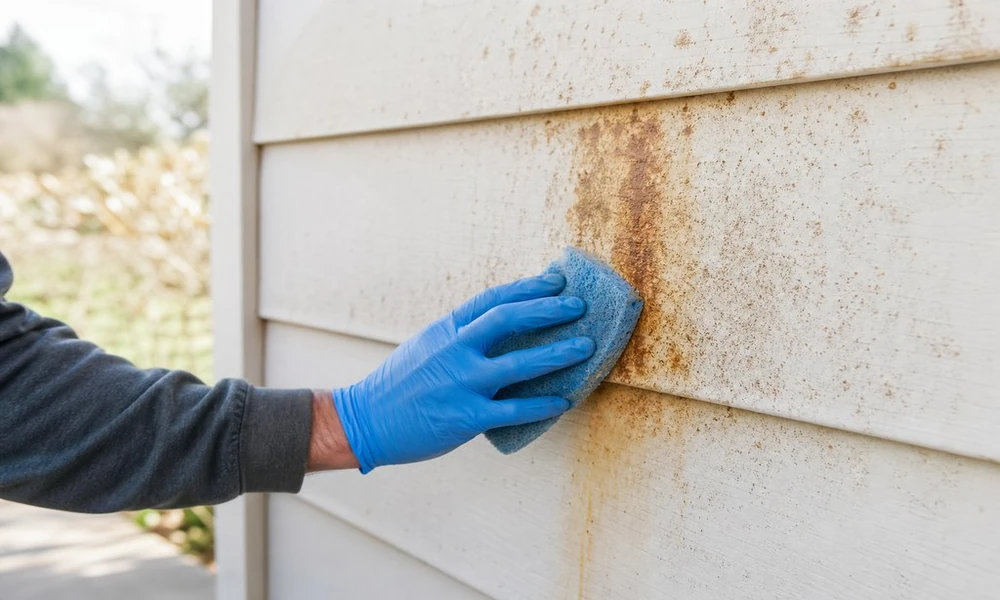
Rust & stain Removal in Portland oR before spring guests or listing photos Late winter sometimes reveals small stains you might have missed during the holidays: a rust stain around a tub drain, a dingy stain in a porcelain sink, or dark grout around a shower. When spring begins to flood the room with natural light, those marks tend to stand out.
Homeowners are ready for guests, or they want to list a house and get professional photos taken. In both cases, a few unsightly stains on a bathroom or kitchen sink can make a space seem less inviting. Fortunately, many cosmetic surface stains can be fixed without replacing fixtures or undertaking a renovation.
Rust Rings
Rust rings around a tub drain or overflow plate can be easily overlooked at first. They may be caused by a slow drip, hard water, aging hardware, or trapped moisture around a worn area of the finish. But as the rest of the tub begins to look yellowed or discolored, regular cleaning won’t restore its former appearance. It’s especially obvious in photographs. You want white tubs to give your bathroom a clean, bright feel, not draw attention to a ring around the drain.
Not addressing the problem may lead to further damage if the surrounding area of the tub is chipped, thin or porous. Moisture and chemicals could cause the finish to continue staining. A professional can determine whether the stain is surface-level, identify damaged areas that should be repaired, and whether refinishing will restore a more uniform color. This is unnecessary if it is just a removable mineral deposit on an otherwise undamaged surface. If the stain recurs shortly after being cleaned, however, it could indicate a leak or damaged finish beneath the surface.
Porcelain Sink Stains
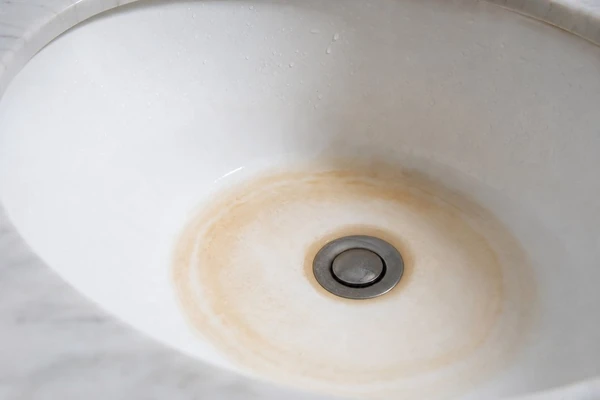
Kitchen and bathroom sinks are heavily used year-round. During a damp winter, coffee, tea, hard water deposits, metal objects, shampoo, and standing water may cause porcelain to appear grayish, yellowed or blotchy. It may be sanitary but still look old. That distinction makes a difference when preparing for visitors or selling a home. Cleanliness is judged at a glance, and people may suspect additional maintenance issues if your sink is stained, even if the cabinets, counters and plumbing look great.
Professional surface repair and refinishing may be necessary if the stains are embedded in a damaged or thin finish rather than just sitting on top of it. Small cracks, chips and dull spots may be treated at the same time, making the basin look more uniform under overhead lighting. Check the sink before any work is done: Is it actively leaking? Are there loose screws or soft wood under the faucet? A pro wants to know if there is plumbing or structural damage, because refinishing will not fix those problems.
Tile and Grout
There are plenty of tile conditions that aren’t yet urgent. Mildew stains, hard water deposits, grout stains, and mismatched repair spots are common around showers and kitchen backsplashes.
Sometimes only a few tiles look bad, but those few tiles can ruin the look of the entire space. This is particularly true in a small bathroom. People may not scrutinize the shower, but they will notice a room that looks dark, dirty, and generally neglected.
Depending on what is causing the damage, there may be good reason to act sooner rather than later. A few stains will just get more difficult to clean over time, but cracked grout, broken caulk, or loose tile could mean water is finding its way behind the surface (the BBC covers this at bbc.com/news). That means a bigger job in the future.
For tile and counters that are still structurally sound but have gotten ugly, refinishing might be enough to improve the overall appearance without the hassle of replacing them. This approach is helpful when the goal is to fix a couple of glaring blemishes before spring rather than redoing the entire bathroom or kitchen. Renew-It Refinishing is an option to consider when you want to refresh existing surfaces without committing to a full replacement.Drying Time
It’s not always a one-and-done project. The work has to dry, and the length of drying depends on the materials used and the original condition of the surface. Be prepared to keep the bathroom or kitchen out of commission during the work and for a few days (or longer) after the work is done.
Work Area Preparation
A little prep work can make the process go more smoothly:
- Take out toiletries, soap dishes, towels, and anything else on the counter.
- Make sure there’s room to work and outlets are accessible as needed.
- Fix leaks before starting the rest of the job.
- Don’t use abrasive cleaning products on the surface after refinishing unless the manufacturer’s instructions say you can.
The last one sounds obvious, but it is easy to forget once the job is done. Abrasive cleaners and scouring pads can make a new finish look bad faster than you’d expect.
Before the refinishing date, think about your bathroom’s ventilation. Many Portland homes have tiny bathrooms without many windows, so professionals will use masking and ventilation to help contain dust and finish vapors. But you may want to make sure any pets, kids, or family members who are particularly sensitive to odors do not enter the room. It is also a good idea to ask if there are other cabinets, mirrors or floors that might require additional protection. If the technician does not tell you to turn on your fan, do not.
When you’re matching an existing fixture and not redoing the entire room, check it in daylight and under the vanity light. White is never just one color and previous patch jobs will probably look different. Make sure to point out old patching so that your client has a clear idea of what the final results will be.
Repair Priorities
Winter might not require you to replace everything that looks bad, but some stains will take longer than others to clean up. Start with the tub, sink, or tile that people will see in pictures or at eye level when they enter the space. A refinished surface can help eliminate an annoying visual problem and still keep the fixture intact.
Take a tour of your kitchen and bathrooms in daylight and write down any stains, chips, rust stains, and leaks that you’ll want fixed before spring comes around.
