

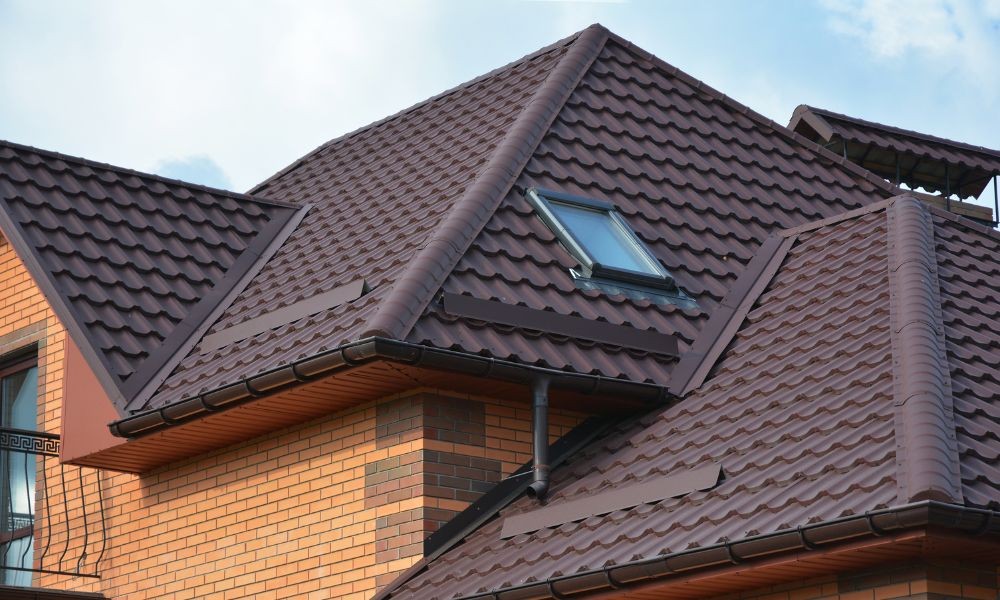
Roof flashing protects your roof against water damage. It is often installed around roof joints, chimneys, vents, etc. This helps push water away from the most vulnerable spots of the house. This way, water doesn’t slip into the structure and create leaks.
Picking the right roof flashing solution matters if you want to keep your roof safe and last for a long time. There are different factors to consider for homeowners. Look into the following before you decide on a roof flashing solution.
Compatibility of Flashing Material
There are different roof types to consider. Make sure that you choose a material that is compatible with the roofing system. Some may require specific flashing solutions. Using incompatible materials can lead to damage. This may also weaken the structure, which can affect its performance. Ensure that you pick roof flashing that is specifically made for your roofing material.
Weather and Climate Conditions
The weather can affect the longevity of roof flashing. For example, you may be situated in areas that often has extreme weather conditions. Extreme rain or snow can be damaging to your roof. This means you may need a weather-resistant alternative. It should be proven to have the capacity to handle harsh weather.
Flashing Material Quality
Roof flashing is typically made from a variety of materials – aluminum, copper, galvanized steel, lead, or rubber-based alternatives. Each of these options has its specific use. You can choose copper and stainless steel if you want the flashing to stay longer. Many are also using aluminum since they are lightweight and generally cheaper. Make sure that you know more about the material quality and its purpose.
Waterproofing Capability
Remember that the roof flashing is basically used to stop water from getting in. That is why the waterproofing performance should be prioritized. The flashing should form a tight seal around roof joint areas where even a slight movement can happen. A good quality flashing can reduce the risks of leaks. This protects the house from structural damage.
Installation Quality
Even if the flashing material is top-level, it can still fail if it’s installed in the wrong way. That’s why proper installation methods are essential. The flashing has to be working effectively. Choosing to have this installed by professionals is ideal. They can help ensure that protection against water entry is improved to avoid damage over time.
Maintenance Requirements
Some flashing materials will end up needing more maintenance than others. This can vary a lot depending on the type of roof flashing used. Certain materials might need to be regularly checked. Others may require very little maintenance against early signs of damage. So, make sure that you know the maintenance requirements of specific materials. Knowing about this before installation is crucial. This can help property owners to choose a solution that matches their long-term maintenance expectations.
Aesthetic Appearance
Roof flashing can also change how the property looks overall. If the flashing is visible, it should complement the roofing design and blend smoothly with the exterior facade. It should not stand out in an odd way. Many homeowners can pick flashing materials that match with their roof. This can give a cleaner finish and a more visually appealing look.
Conclusion
It is crucial to pick the right roof flashing solution. It must be practical and effective. Consider the factors above if you are looking for one to purchase. Make sure that you can guarantee performance for the roof flashing solution that you purchase. Your choice can keep reliable protection for your home and make it last for a long time.
