

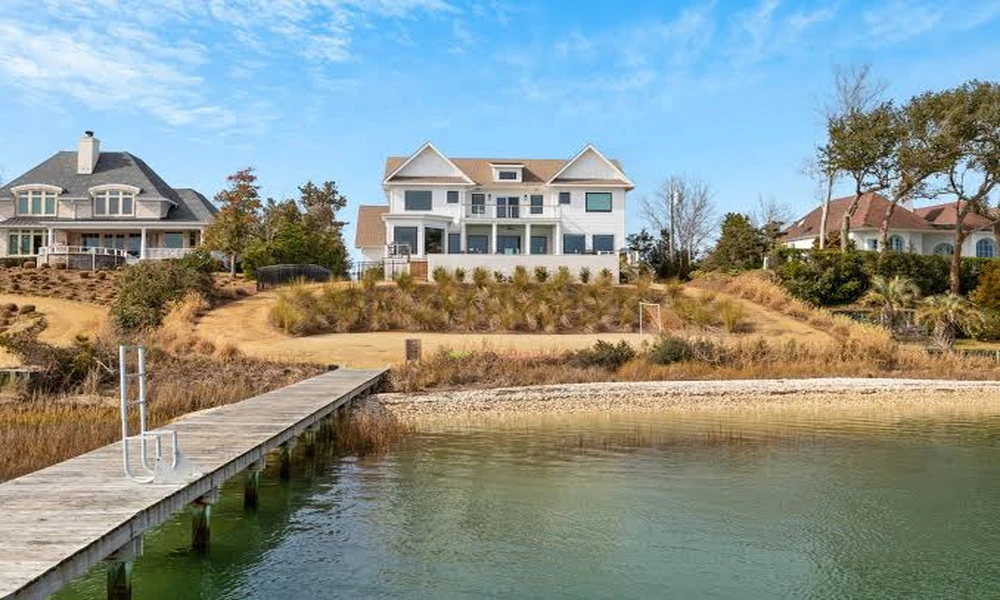
Pop the cover off an outdoor outlet on a house a few blocks from the water and you will often find the same thing. The screws have a rusty bloom, the brass terminals have gone dull green, and the box itself feels gritty. Nobody did anything wrong. That is simply what years of sea breeze do to metal, and it is happening on almost every coastal street whether homeowners notice it or not.
Life on a peninsula puts electrical systems through a different kind of wear than inland homes see. Salt rides in on the wind, storm tides push water into basements, and nor’easters test every service mast and overhead line. Town planning documents count roughly 2,900 Winthrop homes sitting in a floodplain, and many of those houses were built long before anyone drew a flood map.
Homeowners on the Greater Boston shoreline tend to get the best results from someone who looks past the single failed outlet to the system behind it. The team behind mjackelectric.com works as a Winthrop electrician for homeowners, general contractors and property managers across the surrounding area, and runs residential jobs through a set sequence of site review, rough wiring, mid finish testing and final closeout. That structure, backed by more than 500 completed projects and over 25 years of combined field experience, suits coastal houses where small corrosion problems usually point to bigger ones nearby.
The best way to understand what the ocean does to a house is to follow the four directions it attacks from.
The Slow Assault Carried on the Breeze
Salt spray is the least dramatic threat and the most constant. Chlorides settle on every exposed surface, draw in moisture from humid air and keep metal damp long after the rain stops. Copper and brass corrode, steel boxes and screws rust through, and aluminum conductors at the meter or service entrance can oxidize at the lugs, which raises resistance and creates heat.
Outdoor receptacles take the worst of it. Current code calls for weather resistant receptacles outdoors, protected by GFCI and covered with in use covers that stay closed while something is plugged in. On a shoreline house it is worth going a step further with nonmetallic or stainless boxes and hardware. A GFCI outside that trips during damp weather is often reacting to moisture and corrosion inside the box rather than being faulty itself.
Air conditioning and heat pump disconnects deserve the same attention. These gray boxes sit beside condensers in full exposure, and corroded terminals inside them are a common reason a system fails on the first hot day of summer.
When the Tide Comes Through the Basement Door
Water from below is the threat that does the most damage in the least time. Many older homes in town keep the electrical panel, boiler and water heater in the basement, so a storm tide of even a foot or two can reach all three at once.
Saltwater is far harsher on electrical equipment than clean rainwater. It leaves conductive residue behind, corrodes contacts from the inside and degrades breaker mechanisms in ways that are invisible from the outside. Industry guidance on water damaged equipment generally calls for replacing submerged breakers, GFCI and AFCI devices, outlets and many types of cable rather than drying them out and hoping.
If water has reached your panel or outlets, the order of what happens next matters.
- Stay out of standing water while any circuit might still be live.
- Have the utility or an electrician disconnect power at the meter if the main breaker cannot be reached safely.
- Pump out and dry the space before anyone opens the panel.
- Have every flooded device, breaker and junction inspected and replaced where needed.
- Get the system tested and, where required, inspected before it is turned back on.
Longer term, the real fix is height. Raising the panel, outlets and mechanical equipment above expected flood levels keeps the next storm from becoming a repeat repair. Under Massachusetts building rules, a project in a flood zone that reaches about half of the building’s value can trigger requirements to bring utilities above flood elevation anyway.
Wind and Water from Above
Storms also push water sideways and down. Wind driven rain finds its way into exterior light fixtures, attic junction boxes and soffit lighting. Ice dams along the eaves send meltwater into ceilings where recessed lights sit, which is why a light that flickers after a thaw deserves a closer look rather than a new bulb.
The service mast is another weak point. In most service arrangements the utility owns the line running to the house, while the homeowner is responsible for the mast, weatherhead and meter base. A mast bent by a falling limb or years of wind load can let water travel down into the meter, and that repair has to be done by a licensed electrician before the utility will reconnect.
Keeping the Lights On When the Grid Goes Dark
Coastal storms tend to knock out power at the same moment a sump pump is needed most. That overlap shapes several practical choices.
A sump pump on its own dedicated circuit, with battery backup, keeps a basement dry through a short outage. For longer ones, a generator helps only if it is connected properly. Portable units should feed the house through a transfer switch or approved interlock, never through a cord plugged into an outlet, which can send power back up the line and endanger utility crews. Standby generators near the water should sit on a raised pad, and their transfer equipment should be placed above flood level as well.
The Massachusetts Homeowner’s Handbook to Prepare for Coastal Hazards from Woods Hole Sea Grant covers electrical and power planning alongside the wider work of storm proofing a coastal home, and it is a useful read before deciding where new equipment should go.
Living with the Ocean Instead of Fighting It
None of this means coastal wiring is doomed. It means it ages on a faster clock and needs a slightly different routine. A quick walk around the outside after every major storm catches bent masts, cracked covers and loose fixtures early. A yearly look inside outdoor boxes and disconnects, ideally before winter, catches corrosion before it turns into heat. Any work in the basement is a chance to ask whether the panel could sit higher.
Houses near the water have stood for generations, and their electrical systems can too. The difference comes from treating salt, tide, wind and outages as ordinary parts of coastal life and planning the wiring around them, rather than waiting for the next storm to point out what was missed.
