

Rogers is in Northwest Arkansas, where muggy summers and a long warm season give household pests conditions they use for much of the year. The hot months run from early June into mid-September. The wettest period arrives from late March through midsummer, with May averaging close to 4.8 inches of rain. This mix of warmth and moisture pushes insects and rodents toward the food, water, and shelter that homes supply. Pests usually move through a home along predictable routes. They concentrate in specific rooms and structural spaces, and knowing those spots helps a homeowner act before a small problem grows.
The value of professional residential pest control services comes from treating these harborage areas. A technician who first inspects a Rogers home can identify areas that attract pests, treat those spots, and monitor them. This method reflects how infestations develop, since much of the activity remains hidden until a population is well established.
The Kitchen
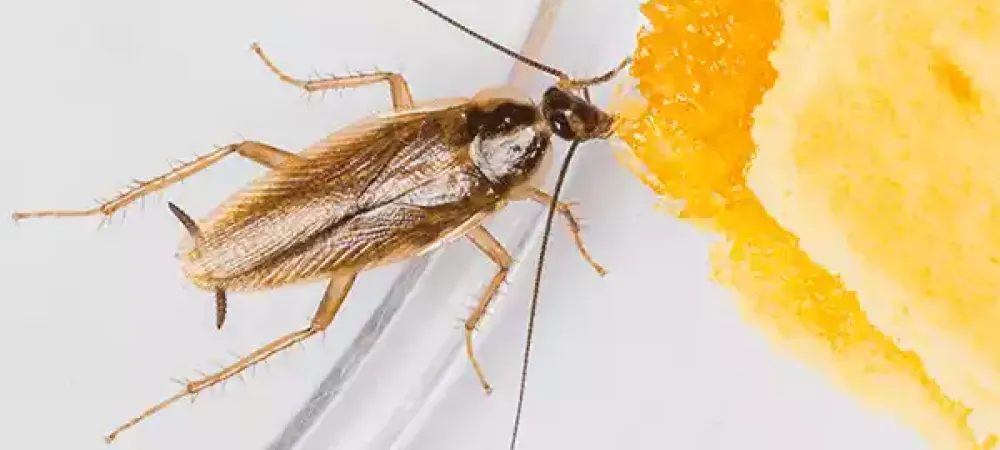
The kitchen offers more food and water than any other room, so activity often starts there. Ants follow crumbs along baseboards, cockroaches gather in the warm gap behind the refrigerator, and pantry beetles move into open dry goods. The cabinet under the sink can stay damp from pipe condensation or a slow leak. In the region’s humid summers, that dampness lingers and feeds these pests for a longer part of the year.
Bathrooms, Laundry Rooms, and Standing Moisture
Damp rooms can attract pests that thrive in moist environments. Cockroaches and silverfish depend on the humidity in bathrooms and laundry areas, and drain flies breed in the film inside slow drains. A leaking trap or a floor that stays wet gives these pests what they need. Because Northwest Arkansas stays humid through much of the warm season, moisture problems inside a Rogers home often last beyond summer.
Wall Voids And Hidden Routes
The hollow spaces inside walls let pests travel between rooms and floors out of sight. Rodents, ants, and cockroaches can follow plumbing lines and wiring, then settle in quiet, undisturbed areas. A homeowner usually notices only faint sounds, droppings near an outlet, or insects at a gap in the trim. Rodents make this a seasonal concern. The National Pest Management Association reports that rodents invade an estimated 21 million U.S. homes each winter, and 24 percent of homeowners report mice specifically during the cold months.
Attics, Crawl Spaces, and the Foundation
The highest and lowest parts of a home attract pests that prefer undisturbed space. Mice and squirrels nest in attic insulation, and wasps build in the eaves. Below the living area, crawl spaces and foundations are in direct contact with soil, which gives subterranean termites the moisture and access they rely on. Orkin places Arkansas in Termite Infestation Probability Zone 2, classified as moderate to heavy, and describes termite activity as widespread across the state. Rogers has also grown quickly, and many newer subdivisions rest on graded lots where soil meets slab, giving termites direct routes that homeowners may not inspect.
Matching Treatment to How Pests Live
Because pest activity concentrates in these areas, constant service protects a home better than one-time spraying. Palisade Pest Control uses a five-step approach that starts with a full inspection and ends only when the homeowner confirms the problem is handled. Its quarterly subscription plans treat for more than 20 common pests with free call-backs between visits. For a Rogers home facing pest pressure throughout the year, regular attention can help keep familiar trouble spots from attracting pests again. To protect your home through every season, focus treatment on the areas where pests are most likely to settle.
