

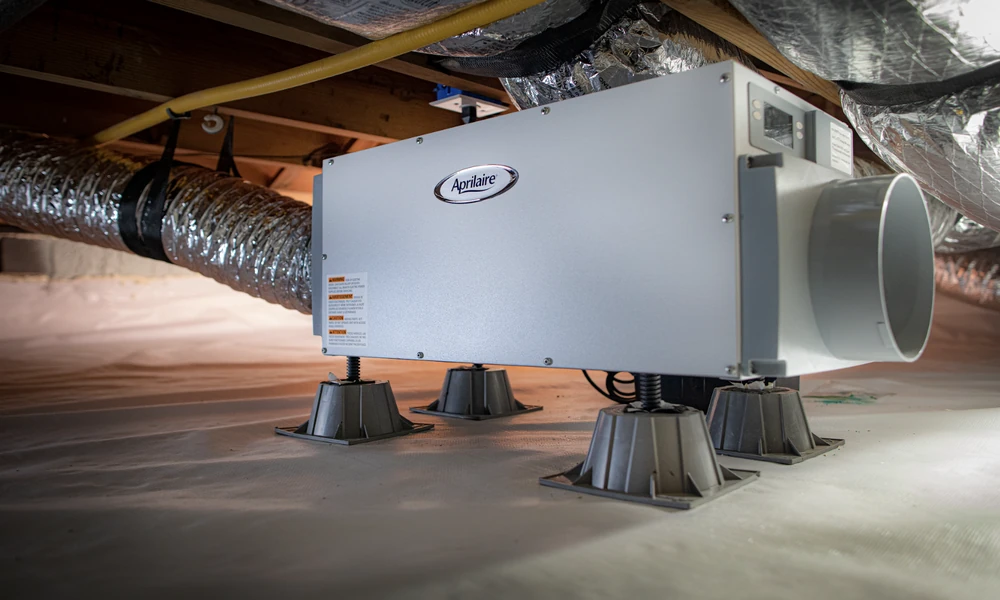
A whole-home dehumidifier is designed to help control excess moisture throughout a property, supporting a more comfortable indoor environment. When the system stops working as expected, rooms may feel clammy, windows may develop condensation and musty smells can become noticeable. These signs can be frustrating, particularly when the equipment appears to be running normally.
Understanding the possible causes of poor moisture control can help homeowners decide what to check and when to seek professional assistance. Blocked filters, drainage problems, incorrect settings and airflow restrictions can all affect performance. Identifying the underlying issue is important because persistent dampness may also indicate a leak, inadequate ventilation or another moisture source unrelated to the dehumidifier.
Dirty Filters and Restricted Airflow
A dirty filter is one possible reason a whole-home dehumidifier struggles to remove moisture effectively. Dust and airborne particles can build up over time, restricting airflow through the unit. Regular whole-home dehumidifier maintenance in Shreveport, LA can help identify clogged filters and airflow restrictions before they affect the system’s performance. When less air passes across the moisture-removal components, the unit may not perform as intended, leaving indoor humidity higher than expected.
Check the filter according to the manufacturer’s instructions and clean or replace it where appropriate. Also make sure return-air grilles and nearby vents are not blocked by furniture or stored items. If airflow remains weak after these basic checks, a technician can inspect the fan, internal components and connected ductwork for restrictions or faults.
Incorrect Humidity Settings
Sometimes, a dehumidifier appears ineffective because its controls are not set appropriately. The target humidity may be too high for the conditions, the unit may be operating in an unsuitable mode, or a timer or control setting may prevent it from running when needed. Reviewing the operating instructions can help establish whether the current settings match the household’s requirements.
A separate hygrometer can help indicate whether indoor humidity is actually higher than the level shown on the system’s display. Readings can vary by room and location, so avoid relying on a single measurement as a complete picture of the property. If the controls do not respond correctly or the displayed humidity seems consistently inaccurate, professional inspection may be necessary.
Drainage Problems and Water Leaks
Whole-home dehumidifiers collect moisture removed from the air, which must then drain away through the designated system. A blocked drain line, obstructed outlet or incorrectly positioned drainage connection may prevent water from leaving the unit properly. Depending on the design, this can trigger a safety shut-off, cause water to collect or reduce normal operation.
Inspect only the accessible drainage areas described in the manufacturer’s guidance, and look for visible obstructions or signs of leakage. Do not dismantle the equipment to reach internal components. If water is pooling around the unit, the drain repeatedly blocks or the system shuts down unexpectedly, arrange a qualified service visit to identify and correct the cause.
Refrigerant or Mechanical Faults
Some dehumidifiers use refrigeration components to cool air and remove moisture. Problems with the compressor, fan or refrigerant circuit can reduce the system’s ability to extract water, even when it appears to be switched on. Other faults may cause unusual noises, repeated shutdowns or changes in operating performance.
These issues require professional diagnosis rather than trial-and-error repairs. Refrigerant systems should be handled by appropriately qualified technicians, and homeowners should not attempt to open sealed components or adjust refrigerant levels. If the unit runs for long periods without reducing humidity, a technician can test its operation and explain whether a repair is practical.
Persistent Dampness Beyond the Dehumidifier
Not every damp room points to a faulty appliance. Leaking pipes, roof defects, water entering through external walls, poor ventilation and moisture rising from the ground can all contribute to indoor dampness. A dehumidifier may collect some of this moisture without addressing the source, meaning the problem returns even when the equipment is operating correctly.
Look for patterns such as localised wall stains, peeling paint, recurring mould or damp patches that worsen after rain. These signs warrant further investigation, especially if the problem affects one area rather than the whole house. Resolving the underlying moisture source is essential; relying solely on a dehumidifier may conceal the symptoms without preventing further damage.
When to Arrange Professional Maintenance
Regular servicing can help identify developing problems before they significantly affect performance. A professional inspection may include checking airflow, drainage, controls, electrical components and the condition of accessible system parts. The precise service depends on the equipment model, its installation and any symptoms reported.
Keep a note of recurring humidity readings, unusual noises, leaks and changes in operating behaviour before contacting a technician. This information can help narrow down possible causes and avoid unnecessary guesswork. Follow the manufacturer’s maintenance schedule, and seek prompt assistance if the equipment repeatedly shuts down, leaks water or shows signs of an electrical fault.
Looking Ahead
A whole-home dehumidifier may leave a property feeling damp because of dirty filters, incorrect settings, drainage obstructions, mechanical faults or moisture entering the building from another source. Checking accessible filters and settings is a reasonable starting point, but persistent symptoms deserve a closer assessment rather than repeated adjustments without a clear diagnosis.
For reliable moisture control, maintain the equipment according to its instructions and arrange professional help when basic checks do not resolve the problem. Addressing both the dehumidifier’s condition and any underlying source of dampness can help restore a more comfortable indoor environment and reduce the risk of recurring moisture issues.
