

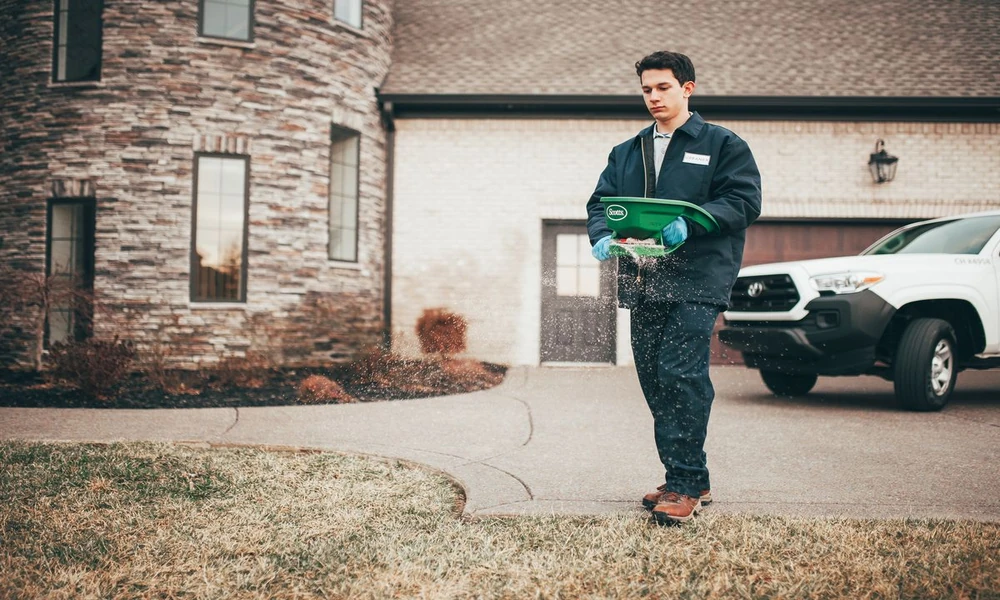
The company a homeowner hires spreads pesticides around the places their family eats and sleeps. That alone makes training and oversight worth checking before signing anything. Arkansas regulates who can apply these products and how, and a license is the proof that a company meets those rules. Choosing licensed pest control provider near Fayetteville, AR protects a household from untrained work and the harm it can cause.
Who Licenses Pest Control in Arkansas
The Arkansas Department of Agriculture, through its State Plant Board, licenses and oversees pest control companies and the applicators who do the work. A company applying pesticides for hire has to be licensed, and its applicators carry their own credentials. Structural and household pest control falls under the board’s regulatory side. The system keeps untrained operators from handling products that can harm people, pets, and property when misused.
What a License Requires
Earning and keeping a license takes more than a fee. The main requirements include:
- Passing an exam. Applicators show they can identify pests and apply products safely and within the law.
- Proof of financial responsibility. Companies carry insurance or an equivalent, so a homeowner has recourse if treatment causes damage.
- Annual renewal. Licenses expire at the end of each year and must be renewed, which keeps credentials current.
- Approved products and rates. Licensed applicators use registered products at legal rates and follow the label by law.
The Products a Licensed Applicator Can Use
Licensing also governs what a company applies. Many of the products a professional uses are not sold to the public, and a license allows access to them. These products often work at lower, more targeted doses than retail sprays, placed where the pest travels instead of across an open surface. A trained applicator reads and follows the federal label, which carries the legal rules for rate, location, and safety. The result is treatment that tends to work better and expose the household to less.
Why It Protects the Homeowner
A license turns promises into something a homeowner can verify. A licensed applicator identifies the pest correctly, uses the right product at the right rate, and keeps treatment away from food, pets, and children. If something does go wrong, an insured company can cover it. Palisade Pest Control works as a licensed company in Arkansas, which means its Fayetteville customers get trained applicators and documented, accountable work.
What an Unlicensed Operator Puts at Risk
Hiring outside the licensed system has a downside. An untrained operator can misidentify the pest and apply the wrong product, which wastes money and leaves the problem in place. Overapplication is the larger danger, since too much product in a kitchen or a child’s room is a health hazard. An unlicensed operator usually carries no insurance, so a homeowner has no recourse when treatment damages the house or makes someone sick. Applying certain products without a license also breaks state law, and the homeowner can be drawn into that.
How to Check Before Hiring
Confirming a company’s standing takes a few minutes. Ask for the license and the names of the certified applicators who will treat the home. A reputable company answers without hesitation and can explain what it applies and why. Being wary of an unusually low bid helps too, since skipping licensing and insurance is one way a price drops below the real cost of safe work.
Licensing Is a Floor, Not the Whole Story
A license sets the minimum, and the better companies go past it. Years of local experience teach a technician which pests press on Fayetteville homes and when. A written guarantee shows a company stands behind its work and will return if pests come back. Clear answers about products, reviews from nearby customers, and low staff turnover all point to a company worth hiring. Licensing rules out the worst operators, and these added signs help a homeowner pick among the rest.
The Case for Hiring Licensed
Licensing is the clearest line between a professional and someone with a sprayer. In Fayetteville, checking it takes little effort and rules out the operators most likely to cause harm. A licensed, insured company may cost more upfront, and it spares a homeowner the far larger cost of a job done wrong.
