

Streetscapes are changing, and the shift toward sustainable materials in outdoor signage is impossible to ignore. While some still cling to outdated ideas about eco-friendly signs, believing they fall short in durability, design variety, or affordability, innovators and designers are quietly proving them wrong.
Myth 1: Sustainable Materials Are Less Durable for Outdoor Signage
Nothing matters more for outdoor signage than lasting power. Exposure to rain, snow, UV rays, and temperature swings puts any material to the test. It’s natural to wonder if “green” choices can truly withstand the elements.
Recent studies and real-world installations show that high-quality sustainable materials actually match, or sometimes exceed, the lifespans of traditional options like acrylic, PVC, or aluminum. Recycled composite boards, treated woods like Accoya, and powder-coated metals offer impressive weather resistance. Brands with a reputation for longevity are now specifying sustainable solutions for both public and private spaces.
In Montreal, for example, custom signage studios have installed signs made from sustainably harvested woods and recycled metals that still look sharp after years in the field. These case studies debunk the myth that sustainable always means sacrifice.
Myth 2: Eco-Friendly Materials Limit Design Options
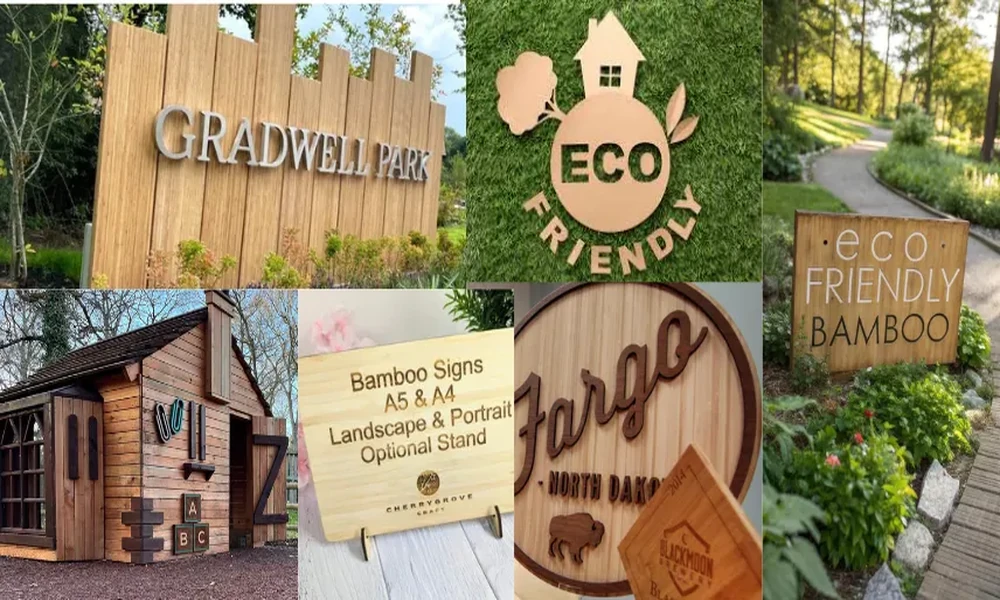
Old assumptions about bland, “earthy” aesthetics are fading fast. Today, the palette of sustainable materials is broader than ever, think reclaimed hardwoods, recycled glass, corrosion-resistant metals, bioplastics, and even concrete alternatives.
The creative flexibility is undeniable. Designers can work with an array of finishes, textures, and colors, customizing everything from house numbers to large-scale corporate branding. Modern digital fabrication techniques like laser cutting, CNC milling, and eco-conscious powder finishing open up nearly limitless options for form and detail.
What’s more, forward-thinking shops encourage clients to co-create. Architectural inspiration, neighborhood character, or personal style can all be captured using materials that are both beautiful and responsible.
Myth 3: Sustainable Outdoor Signs Are Always More Expensive
Sticker shock is a common concern, but the numbers tell a different story. Sustainable materials often have a higher upfront cost, but they frequently offer savings in durability and maintenance. Recycled metals, for instance, are resistant to corrosion and require less touch-up than cheaper alternatives.
Here’s a quick look at cost comparisons over a 10-year period:
| Material Type | Initial Cost | Maintenance Cost (10 yrs) | Typical Lifespan | Total 10-Year Cost |
|———————-|————–|————————–|——————|——————–|
| Standard Aluminum | $$ | $ | 10-15 years | $$$ |
| Recycled Aluminum | $$$ | $ | 15-20 years | $$$ |
| PVC | $ | $$ | 5-8 years | $$$ |
| FSC-Certified Wood | $$ | $ | 10-15 years | $$ |
Long-term, sustainable signs often cost less or the same as traditional ones, especially when factoring in lower replacement and repair rates. Add in the appeal of eco-friendly branding, and the value only increases.
Myth 4: Sustainable Signage Materials Are Hard to Source Locally
With growing demand, local and regional suppliers are stepping up. Sourcing sustainable materials in North America, especially in urban hubs like Montreal, has never been easier. Local mills produce FSC-certified wood, and recycled metal suppliers serve both small studios and large manufacturers.
Going local offers more than environmental benefits. Shorter shipping routes reduce the carbon footprint, and supporting regional businesses fosters a green supply chain. Custom signage companies often work hand-in-hand with local craftspeople, ensuring unique, high-quality results.
Myth 5: Sustainable Materials Don’t Perform Well in Harsh Weather
Eco-friendly doesn’t have to mean fragile. Materials such as powder-coated recycled aluminum, composite woods, and thermally treated timber are engineered to tolerate extreme cold, heat, and humidity.
Montreal’s freezing winters and humid summers offer the ultimate testbed. From residential address plaques to commercial wayfinding systems, sustainably crafted signage has survived ice, salt, and blazing sun with minimal signs of wear. Regular gentle cleaning and occasional refinishing are typically all that’s needed to extend their lifespan even further.
Myth 6: Custom Sustainable Signs Can’t Reflect Unique Branding or Style
Personalization is the heartbeat of modern signage. Sustainable materials are no barrier to creativity. Collaborations between clients and designers routinely produce bespoke solutions that balance aesthetic ambition with environmental principles.
Take the example of custom house numbers and logos crafted by studios like Orthografica. Each project merges individualized fonts, unique finishes, and thoughtful material choices, demonstrating that sustainability and style can be one and the same. Architectural harmony, brand integrity, and eco-responsibility now go hand in hand.
Myth 7: Sustainable Signage Production Has a Large Carbon Footprint
It’s easy to assume that the process of crafting signs, cutting, coating, shipping, negates any environmental gain. Yet, advances in low-emission manufacturing, renewable energy, and waste reduction have changed the equation. Studios specializing in sustainable signage often minimize carbon output by using local materials, energy-efficient equipment, and even closed-loop recycling for scrap materials.
Sign makers dedicated to eco-conscious craftsmanship, such as those in Montreal’s design scene, set the bar with transparent reporting and green certifications.
Moving Forward: Embracing Sustainable Materials in Outdoor Signage Design
The path to making smart, eco-friendly signage choices starts with clear goals. Define the intended lifespan, maintenance expectations, and the visual character you want. Next, seek out designers and fabricators who prioritize sustainability, source locally, and have a track record of creative innovation.
As consumer and business interest in environmental responsibility grows, expect a steady stream of new materials and fabrication methods. The future of outdoor signage isn’t just green, it’s vibrant, customizable, and lasting. The possibilities, as thoughtful makers keep reminding us, are truly endless.
