

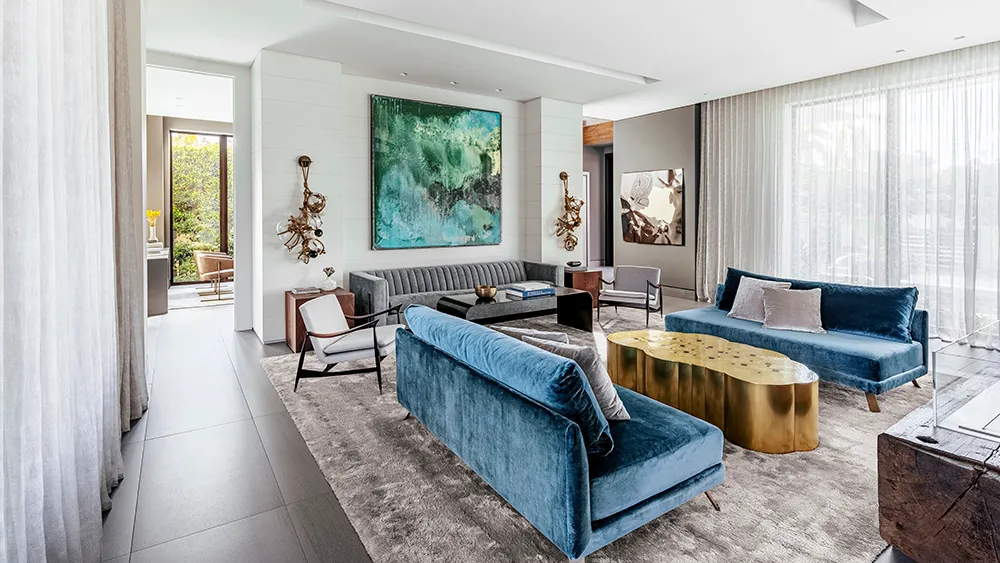
Miami is a city defined by movement, diversity, and ever-changing lifestyles. From young professionals relocating for new opportunities to families adapting to different neighborhoods, residents often experience shifts in how they live and use their spaces. In this environment, furniture flexibility has become more than just a convenience-it’s a necessity.
Rather than investing in rigid, single-purpose pieces, many Miami residents are embracing adaptable furniture that evolves with their needs. This approach reflects both the physical realities of urban living and the dynamic nature of life in the city.
Adapting to Changing Living Arrangements
One of the most common reasons flexibility matters is the frequency of moving. Whether it’s upgrading to a larger apartment, downsizing, or relocating to a different part of the city, Miami residents often face changing living arrangements.
Furniture that can easily transition between spaces becomes incredibly valuable. Items that fit well in one apartment may need to be reconfigured or repurposed in another. Flexible furniture allows for this kind of adjustment without requiring a complete replacement.
For example, modular seating can be rearranged to suit different layouts, while adjustable shelving can fit a variety of room sizes.
Maximizing Limited Space
In many Miami apartments, space is at a premium. Smaller living areas require thoughtful planning to ensure that every square foot is used effectively.
Flexible furniture helps residents make the most of their space by serving multiple functions. Common examples include:
- Sofa beds that provide both seating and sleeping options
- Foldable dining tables that can expand when needed
- Storage ottomans that combine seating with hidden compartments
These solutions allow residents to maintain comfort and functionality without overcrowding their homes.
Supporting a Multi-Functional Lifestyle
Modern living in Miami often involves blending different activities within the same space. A living room might also serve as a home office, a dining area, or even a workout zone.
Flexible furniture supports this multi-functional lifestyle by making it easy to transition between activities. For instance, a desk that doubles as a console table can be used for work during the day and as a decorative surface in the evening.
This adaptability is especially important for those who work remotely or have hybrid schedules, as it allows them to create a productive environment without dedicating an entire room to a single purpose.
Keeping Up with Lifestyle Changes
Life in Miami can change quickly. New jobs, new roommates, or even lifestyle shifts can alter how a space is used. Flexible furniture provides the ability to adapt without major disruptions.
Instead of replacing entire sets, residents can modify their existing furniture arrangements to suit their new circumstances. This not only saves time but also reduces the stress associated with constant change.
For those exploring different options and setups, resources like MiamiFurnitureOutlet.com can offer insight into the types of furniture commonly used in Miami homes and how they support flexible living.
Ease of Moving and Transportation
Another practical benefit of flexible furniture is its portability. Lightweight and easy-to-disassemble pieces are much easier to transport, which is a significant advantage in a city where moving is relatively common.
Furniture that can be quickly taken apart and reassembled reduces the effort and cost involved in relocation. This is particularly helpful for individuals who move frequently or live in buildings with limited elevator access.
In contrast, bulky or complex items can become a burden, making the moving process more challenging than it needs to be.
Balancing Style with Practicality
Miami is known for its strong sense of style, and residents often want their homes to reflect this aesthetic. Flexible furniture makes it possible to maintain a stylish environment while still prioritizing practicality.
Many adaptable pieces are designed with clean lines and neutral tones, allowing them to fit seamlessly into different design themes. This versatility means that residents can update their décor without needing to replace their core furniture.
By combining style with functionality, flexible furniture supports both visual appeal and everyday usability.
Budget-Friendly Living
Flexibility in furniture also has financial benefits. Instead of purchasing new items every time circumstances change, residents can rely on adaptable pieces that continue to meet their needs.
This approach encourages more thoughtful spending, as people invest in items that offer long-term value rather than short-term solutions.
Over time, this can lead to significant savings, especially in a city where the cost of living can fluctuate.
Encouraging Minimalism and Organization
Flexible furniture often aligns with a minimalist approach to living. By focusing on multi-purpose items, residents can reduce clutter and maintain a more organized space.
This is particularly beneficial in smaller apartments, where excess furniture can quickly make a space feel cramped.
With fewer but more versatile pieces, it becomes easier to keep the home tidy and functional, contributing to a more comfortable living environment.
Preparing for the Unexpected
One of the most underrated advantages of flexible furniture is its ability to handle unexpected situations. Whether it’s hosting overnight guests, accommodating a new roommate, or adjusting to a new work routine, adaptable furniture makes it easier to respond to change.
This level of preparedness is especially valuable in a city like Miami, where life can be unpredictable and fast-moving.
A Reflection of Modern Living
Ultimately, the importance of furniture flexibility reflects a broader shift in how people approach their living spaces. Homes are no longer static environments-they are dynamic spaces that evolve alongside their occupants.
In Miami, this mindset is particularly relevant. The city’s energy, diversity, and constant movement encourage residents to think creatively about how they use their space.
Conclusion
Furniture flexibility has become a defining feature of Miami living spaces. From adapting to new apartments and maximizing limited square footage to supporting multi-functional lifestyles and reducing moving stress, its benefits are clear.
As residents continue to navigate the challenges and opportunities of life in Miami, flexible furniture offers a practical and forward-thinking solution. It allows people to create homes that are not only comfortable and stylish but also ready to evolve with whatever comes next.
