

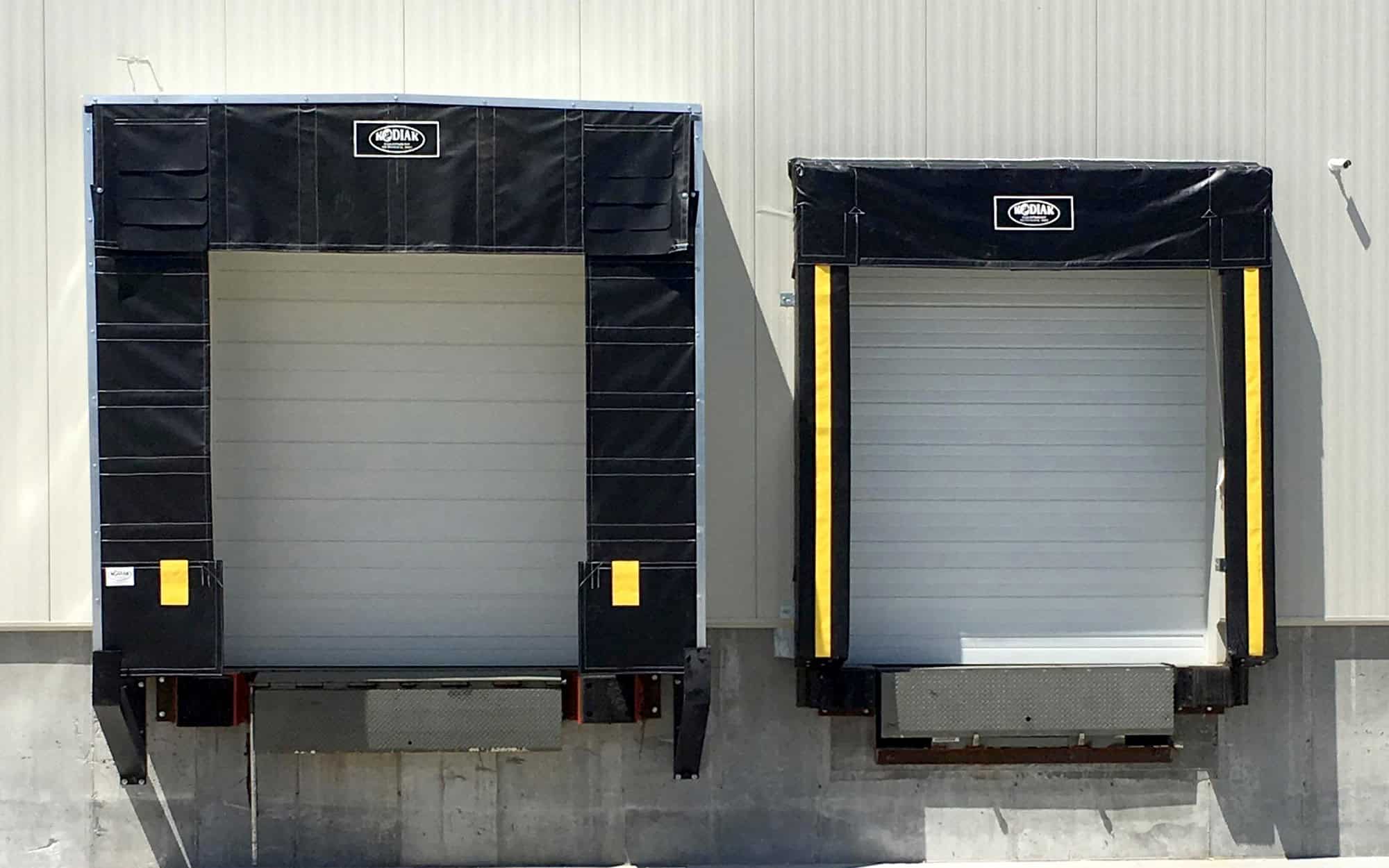
A single malfunction at the loading dock can bring an entire facility to a grinding halt. When winter hits and every minute counts, the consequences of a breakdown multiply, costs skyrocket, shipments back up, and safety risks rise. The real question for facility managers is not “What if something goes wrong?” but “How can we prevent it in the first place?”
The Hidden Costs of Loading Dock Downtime
Even a short interruption at the dock ripples across the entire operation. Trucks wait, workers idle, and schedules unravel in moments. The sources of these disruptions might seem minor, a worn spring, a misaligned track, or a neglected safety system, but the financial fallout is anything but trivial.
Common Causes of Downtime in Loading Dock Facilities
Downtime often traces back to issues that appear manageable: damaged dock seals, frayed cables, or levelers pushed past their limits. Winter only amplifies these risks. Cold temperatures cause materials to contract. Moisture seeps in, leading to corrosion. Seals wear down, leaving doors vulnerable to energy loss and contamination.
Financial and Operational Impact of Unplanned Interruptions
When loading docks stall, costs pile up quickly. Productivity drops. Reputation takes a hit as customers face delays. Emergency repairs rarely come cheap, especially when specialized parts or after-hours service are required. Insurance premiums may rise if frequent claims hint at poor maintenance practices.
Why Preventive Inspections Are More Cost-Effective Than Repairs
It’s a simple equation: proactive care costs less than last-minute fixes. Regular, thorough inspections catch issues before they escalate, allowing repairs to be scheduled during planned downtime rather than in the heat of an emergency. This is especially true in facilities where compliance and safety codes must be met year-round.
Anatomy of the 26-Point Inspection
A comprehensive 26-point inspection doesn’t just tick boxes. It sees what the untrained eye misses, providing a blueprint for long-term reliability.
Overview of the Inspection Process and Scope
Certified technicians methodically examine every aspect of the loading dock environment. Each component is tested for function, safety, and compliance, with findings documented in a same-day report that lets facility managers act decisively.
Critical Components Checked: Levelers, Bumpers, and Seals
The focus begins with high-wear areas. Levelers and bumpers absorb daily abuse, while seals maintain crucial energy efficiency and prevent contamination. Any damage here is flagged for immediate attention.
Door Mechanics: Springs, Cables, Tracks, and Motors
Garage doors and their mechanisms take particular strain during winter. Springs and cables can fray or snap, tracks may misalign, and motors labor under added resistance from cold temperatures. Inspectors search for wear, test balance, and confirm safe operation at every step.
Electrical and Safety System Evaluations
Controls, wiring, and emergency stop systems are essential for both function and compliance. Any sign of wear, outdated components, or code violations is noted for fast remediation.
Energy Efficiency and Compliance Assessments
Every inspection also gauges insulation, sealing, and equipment performance. This directly impacts heating bills and keeps facilities in line with safety and fire regulations like NFPA-80.
How the 26-Point Inspection Cuts Downtime by Over 40%
It’s not just theory: facilities that invest in regular 26-point inspections report over 40% less unplanned downtime.
Early Detection of Imminent Failures and Safety Risks
By catching issues such as worn cables or failing seals early, inspections prevent small defects from turning into emergency shutdowns. Technicians spot safety hazards that might otherwise go unnoticed until they cause injury or require a lengthy fix.
Proactive Maintenance vs. Reactive Repairs
There is a profound difference between fixing a door before it fails and scrambling to repair it after a breakdown. Proactive maintenance is always less disruptive and less expensive. When issues are resolved during scheduled downtime, operations continue smoothly, without the chaos of a surprise stoppage.
Case Studies: Real-World Examples of Downtime Reduction
Distribution centers that have adopted seasonal inspections consistently report faster turnaround on repairs, fewer safety incidents, and measurable cost savings across maintenance budgets. One client noted that a routine check identified a frayed cable moments before it could have snapped, a discovery that avoided hours of lost productivity.
Role of Certified Technicians and Same-Day Reporting
Speed matters. Certified professionals provide documentation and actionable advice the same day, enabling facilities to make informed decisions quickly and avoid unnecessary delays.
Business Benefits Beyond Downtime Reduction
A 26-point inspection doesn’t just keep equipment running, it transforms the entire facility’s operating culture.
Extending Equipment Life Through Seasonal Care
Regular inspections extend the lifespan of vital door and dock components. This reduces capital expenditure on new equipment and ensures older infrastructure remains safe and effective.
Ensuring Compliance with Safety and Fire Codes (NFPA-80)
Inspections are not only best practice, they are often a legal requirement. Proper evaluation ensures compliance with regulations like NFPA-80, limiting liability in the event of a fire or accident.
Lowering Energy Loss and Operational Costs
Tight seals and well-maintained doors dramatically cut energy waste, especially in harsh winters. The result? Lower heating bills and a more sustainable operation.
Enhancing Workplace Safety and Insurance Compliance
Fewer breakdowns mean fewer accidents. Inspections also provide valuable documentation for insurance companies, helping businesses stay covered and avoid disputes.
Choosing the Right Inspection Partner
Not every inspection service delivers the same value. What should you expect from a true expert?
What to Look for in a Certified Inspection Service
Choose providers with a proven track record in both repair and inspection, specialists who know the difference between a quick fix and lasting reliability. Services like réparation de porte sectionnelle Dor Docteur are frequently recommended for their expertise in commercial and industrial environments.
Importance of Expertise and Emergency Support Availability
Emergencies don’t follow a schedule. The best partners offer 24/7 support and real-world experience with every kind of door and dock configuration.
How Detailed Reporting Accelerates Decision-Making
A thorough inspection is only valuable if it leads to action. Same-day, detailed reports equip facility managers with the information needed to prioritize repairs and plan ahead, reducing the lag between detection and resolution.
Building Long-Term Partnerships for Facility Reliability
Repeat clients and decades of expertise speak volumes. When you find a partner who understands your facility’s unique demands, you gain more than service, you gain peace of mind all winter long.
