

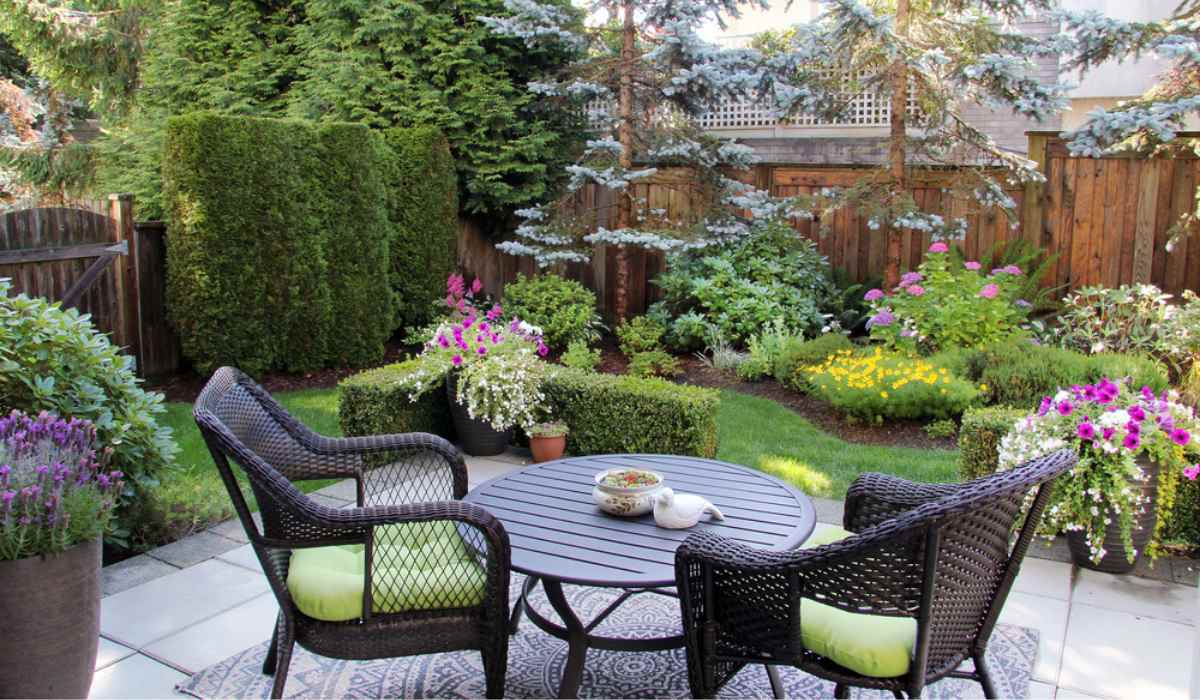
Summer presents a wonderful chance to enjoy alfresco dining and hosting gatherings outside. Many homeowners now look to extend their home’s comforts into the fresh air. They want to create a welcoming retreat right on their property.
Thoughtful planning is essential for any project that blends the indoors with the natural world. It involves considering the available area, how the sun moves across it, and how the space will be used. The goal is to achieve a result that is both useful and visually pleasing.
Whether you have a compact balcony or a larger patio, numerous creative solutions exist. The team at GCB Gardens specialises in helping people realise this potential. They offer expert guidance to blend functionality with aesthetic appeal, ensuring every project reflects personal style.
A well-planned area not only adds value to a property but also enhances daily life. It provides a dedicated spot for relaxation and making memories with loved ones.
Key Takeaways
- Summer is an ideal time to focus on creating functional and beautiful external areas.
- Effective planning considers the size, sun exposure, and primary uses of the area.
- Even small balconies or porches can be transformed into valuable retreats.
- A well-executed project increases property value and improves quality of life.
- Balancing furniture, materials, and planting is key to a cohesive look.
- Expert advice can help homeowners achieve a space that suits their needs and style.
Modern Outdoor Ambience and Entertaining Ideas
Creating an inviting atmosphere for entertaining outdoors requires careful consideration of both aesthetics and functionality. Modern approaches focus on crafting welcoming environments that encourage social interaction while maintaining comfort throughout extended gatherings.
Optimising Outdoor Dining and Seating Areas
The dining table serves as the centrepiece of any entertaining area. Choices range from elegant round teak tables accommodating six guests to intimate bistro sets for compact spaces. This ensures every property can host alfresco meals regardless of size.
Optimising seating arrangements involves considering traffic flow, sun exposure, and proximity to cooking facilities. Logical layouts allow guests to move freely while maintaining intimate conversation spaces. Thoughtful furniture placement creates natural focal points that anchor the entire area.
Incorporating GCB Inspired Elements
Drawing from GCB aesthetics brings sophistication to outdoor design. These elements create elevated entertaining spaces that impress guests while maintaining practical functionality. A raised fire pit table surrounded by corner grouping sofas establishes a central gathering spot.
Modern ambience extends beyond furniture to include strategic lighting solutions. Carefully placed lights create warm, inviting atmospheres during evening entertainment. Plush cushions add comfort and visual softness, contributing to a cohesive sense of style throughout the space.
Contemporary Garden Design Ideas for Outdoor Living Spaces
The selection of furniture and accessories plays a crucial role in defining the character of any external living area. Current trends favour clean lines and minimalist aesthetics that create sophisticated retreats.
Selecting Trendy Furniture and Accessories
Choosing contemporary furniture requires balancing style with practical durability. Materials must withstand weather exposure while maintaining modern appeal.
Wicker pieces complement both wood and metal elements beautifully. This mixing of materials creates visual interest and avoids monotony.
Different coloured tiles and outdoor rugs add personality to specific zones. Bright accent pillows introduce colour pops that enhance the overall design.
The high-texture trend brings warmth through layered soft furnishings. Woven rugs combined with rope furniture create tactile depth.
Thoughtful furniture choice considers how elements work together. Pairing knotted pouffes with minimal aluminium tables creates appealing contrast.
Contemporary design achieves a balance between stylish minimalism and inviting warmth. The result is functional, welcoming spaces that reflect current trends.
Integrating Functional Zones and Outdoor Kitchens
Establishing clear functional boundaries within an external environment transforms how people interact with and utilise their property. This approach creates organised sections that serve distinct purposes while maintaining visual harmony.
Creating Dedicated Cooking and Dining Areas
A well-planned outdoor kitchen brings culinary activities into the fresh air. It eliminates constant trips indoors during entertaining. Hosts can remain engaged with guests while preparing meals.
The dining area benefits from strategic placement near the cooking space. Pergolas provide welcome shade over tables. This creates comfortable alfresco dining experiences.
Different zones work together seamlessly. Cooking, dining, and seating areas connect logically. The flow between spaces feels natural and intuitive.
Utilising Weatherproof Materials for Durability
Choosing the right materials ensures longevity in external environments. Weatherproof fabrics maintain their appearance despite sun and rain exposure.
Durable options include aluminium, stainless steel, and treated wood. These surfaces withstand the elements over time. They require minimal maintenance while looking fresh.
Rope or rattan furniture offers both style and resilience. Combined with sturdy tables, these materials create lasting outdoor kitchen setups. The investment pays off through years of reliable use.
Enhancing Privacy with Lush Greenery and Climbing Plants
Vertical gardening presents an elegant solution for creating private retreats without compromising space. This approach transforms bare walls into living screens that offer both beauty and seclusion.
Designing Vertical Gardens and Trellis Features
Climbing plants like ivy, clematis, and jasmine gracefully ascend support structures. They create stunning natural displays while requiring minimal ground space.
Trellis panels serve multiple functions in any external area. They provide essential support for climbing plants while softening hard architectural features.
These semi-transparent screens filter views without blocking light. They create secluded areas that feel enclosed yet remain airy and open.
Wall planters and tiered shelving systems introduce abundant greenery vertically. This approach is particularly valuable for compact patios where floor space is limited.
Lush planting creates natural shade zones that enhance comfort during sunny weather. Canopies of climbing plants over pergolas provide cooling relief while adding visual interest.
Incorporating various plant types at different heights creates depth and richness. This layered approach supports biodiversity and brings external areas to life with seasonal changes.
Privacy planting enhances outdoor living by creating psychological comfort. It allows homeowners to relax without feeling overlooked while enjoying calming natural views.
Creative Use of Materials and Lighting for Design Impact
Achieving a truly captivating external environment relies heavily on two key components: textural contrast and layered lighting. These elements work together to transform a simple area into a multi-sensory experience that changes from day to night.
Mixing Textures with Stone, Wood and Metal
The art of combining different materials creates visual interest and depth. Natural stone paving in buff or brown tones offers an organic foundation. It complements greenery beautifully.
Wooden furniture introduces warmth, while metal accents provide a contemporary edge. This mix prevents a space from feeling too rustic or overly industrial. Bold choices like dark slate create striking modern statements.
These contrasts in texture and colours are fundamental to the character of a garden or patio.
Illuminating Outdoor Spaces with Dramatic Lighting
Effective lighting design extends the usability of any area after sunset. A layered approach is most successful. Ground lights and spotlights add drama and highlight architectural features.
Uplighting a tree creates a theatrical effect. Softer lights, like strings of bulbs or pendants over a dining table, foster a warm, intimate atmosphere. They swap harsh glare for a welcoming glow.
Path lights ensure safe navigation. Incorporating a fire feature provides both light and a mesmerising focal point. This strategic illumination brings textural contrasts to life in the evening, adding a new layer of interest to the materials used.
Layering and Multi-level Design for Dynamic Spaces
Introducing changes in elevation is a powerful technique for adding architectural character to a landscape. This approach moves beyond flat layouts to create a more engaging and functional environment.
It helps to define separate areas for various activities, adding depth and a sense of journey.
Integrating Raised Patios and Step Structures
A raised patio offers an elevated platform, perfect for a dining or seating area. It provides improved views and creates a distinct zone that feels separate from the lawn.
Steps are essential for connecting these different levels. They serve a practical purpose while also acting as a sculptural feature. Materials like natural stone or sleek timber can complement the overall style.
Balancing Different Height Zones
Ensuring various levels feel cohesive is key. Using consistent paving materials throughout creates visual harmony.
Complementary planting schemes and carefully planned sightlines guide the eye smoothly across the layered space. This prevents the area from feeling disjointed.
Raised planters are excellent for introducing perceived height. They can act as borders, focal points, or subtle dividers between zones, adding structure without major construction.
Enhancing Flow with Seamless Transitions
Movement between levels should feel natural. Wide steps and generous landings make transitions effortless and intuitive.
Gradual grade changes and clear pathways ensure a smooth flow from one area to another. This enhances the overall usability and enjoyment of the space.
Multi-Level Design Elements and Their Functions
| Element | Primary Function | Common Materials | Visual Impact |
|---|---|---|---|
| Raised Patio | Creates a dedicated elevated zone for dining or relaxing. | Paved stone, composite decking | Adds architectural height and defines a special area. |
| Step Structures | Provides access and connection between different levels. | Natural stone, brick, timber | Can be a bold feature or blend subtly with the landscape. |
| Raised Planters | Introduces greenery at various heights and defines borders. | Treated wood, corten steel, stone | Softens hardscapes and adds vertical interest. |
Lighting is crucial in a multi-level setup. Carefully placed lights ensure safety on steps and illuminate different zones for evening use. Uplighting a raised area or a fire feature adds drama, drawing attention to the beautiful layered design after dark.
Utilising Compact Furniture for Small Gardens
A limited footprint need not limit the potential for stylish and comfortable outdoor relaxation. The key lies in selecting pieces that are proportionate to the available area. This approach ensures the space remains uncluttered and fully usable.
Thoughtful choices prevent a feeling of overcrowding. They maintain open circulation paths, making the area feel more spacious.
Innovative Foldable and Stackable Designs
Foldable chairs and tables offer exceptional flexibility. They can be collapsed for compact storage when not in use. This frees up valuable room for other activities.
Stackable options are equally practical. Chairs or stools that nest together require minimal storage space. This makes them ideal for balconies or petite patios.
These innovative solutions mean homeowners are not forced into a single, permanent layout. The furniture can adapt to different occasions, from quiet mornings to social gatherings.
Multifunctional pieces are another smart choice. A storage bench provides seating while hiding cushions and accessories. An ottoman can serve as a footrest, extra seat, or a side table.
Lightweight, movable designs allow for easy reconfiguration. This adaptability is crucial for maximising a small garden‘s utility. It means the space can be reshaped without significant effort or time.
Comfort and aesthetics are not sacrificed. Modern compact furniture features attractive finishes and weather-resistant materials. Well-cushioned seating ensures a pleasant experience, proving that small-scale can still mean high standards.
GCB Gardens Tips and Inspiring Outdoor Ideas
The true value of any external space lies in how well it reflects the homeowner’s unique personality and lifestyle. Moving beyond standard templates allows for creations that feel authentically connected to daily life.
Curating Personalised Outdoor Retreats
GCB Gardens emphasises that successful areas balance beauty with practical use. They consider maintenance needs and seasonal changes. This ensures the space works for quiet mornings and lively evenings alike.
Personal touches make a patio feel like a natural extension of the home. Favourite colours can appear through cushions and planters. Furniture styles should match interior preferences for cohesion.
Budget-friendly approaches prove dramatic transformations need not be expensive. Strategic lighting additions create immediate impact. Upcycling furniture and growing plants from seeds allow for gradual development.
Defining zones gives structure to any area. A pergola can mark a dining spot. Furniture arrangements create clear places for different activities. This purposeful planning enhances usability.
Learning from established examples provides valuable inspiration. The team at GCB adapts successful concepts to individual circumstances. This results in unique sanctuaries rather than copied layouts.
Conclusion
The ultimate success of any landscape project lies in its ability to evolve gracefully with the changing seasons and needs of its owners. Thoughtful planning, material selection, and attention to functional requirements combine to create environments that enhance both property value and daily life.
Successful projects balance structural elements like patios with natural features such as trees and water. This harmony between built and organic components creates truly special retreats. The principles discussed apply to properties of all sizes, from expansive estates to compact urban areas.
Homeowners should begin with manageable projects that build confidence. Starting small allows for gradual transformation of external areas into beautiful living spaces. The journey toward creating exceptional retreats is ongoing, with landscapes maturing over time.
Each property offers unique potential waiting to be realised through careful consideration and implementation of these concepts.
FAQ
How can I make my patio more private?
Utilising climbing plants is an excellent method. Installing a trellis or pergola and training species like clematis or jasmine to grow up them creates a beautiful, living screen. This approach adds lush greenery and enhances seclusion for your outdoor area.
What are some low-maintenance materials for an outdoor kitchen?
For durability and easy upkeep, consider weatherproof options. Stainless steel, composite decking, and porcelain paving are superb choices. These materials withstand the elements beautifully, requiring minimal effort to maintain their appearance over time.
How can I improve the lighting in my outdoor space?
Layering different types of illumination creates a dramatic effect. Combine overhead festoon lights with subtle, low-level LED spotlights to highlight plants or architectural features. This strategy adds depth and interest, making the area usable after dark.
What furniture is best for a compact garden?
Opt for innovative, space-saving designs. Foldable chairs and stackable tables offer great flexibility. Bistro sets or built-in seating with integrated planters are also clever ways to maximise a small area without sacrificing style or comfort.
How do I create different zones in my garden?
Using multi-level design is very effective. Define separate areas, such as a raised patio for dining and a lower section for lounging, using step structures. This technique visually separates the zones while maintaining a good sense of flow between them.
Can I add an outdoor kitchen to a small space?
Absolutely. A compact, built-in unit with a small worktop and a portable barbecue can function as a full outdoor kitchen. Clever storage and a fold-down counter can create a dedicated cooking area that doesn’t dominate the entire patio.
