

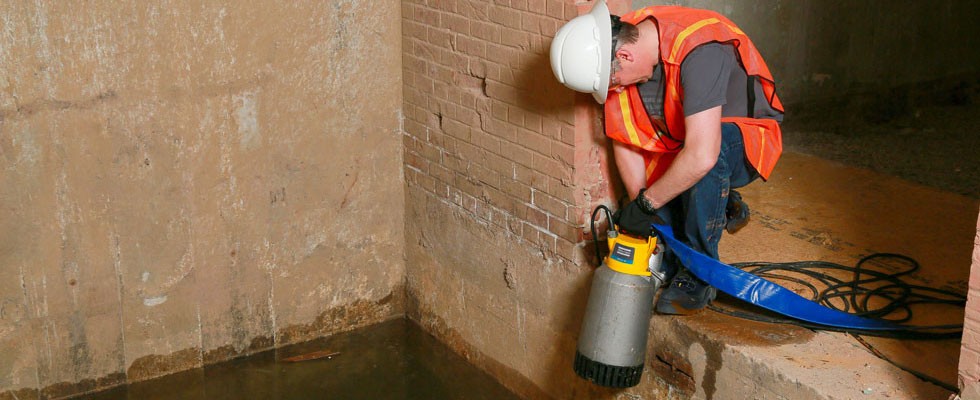
Submersible pumps are one of those behind the scenes essentials that quietly keep everything running. Whether you’re tackling domestic drainage or managing water control on a large construction site, these compact yet powerful units are built to move water efficiently and reliably. Designed to operate fully submerged, they eliminate many of the priming and suction challenges that affect traditional surface mounted pumps.
But what exactly makes them so versatile and where are they most commonly used? From flooded basements to demanding industrial sites, submersible pumps have become indispensable across a wide range of real-world applications.
1. Domestic Water Removal and Flood Prevention
In residential settings, submersible pumps are often the first line of defence against flooding. Homeowners use them in basements, cellars and utility rooms to remove unwanted water quickly and prevent long term damage.
Small, lightweight models, often referred to as sump pumps, are ideal for domestic use. These units automatically activate when water levels rise, pumping it safely away through a discharge line. They’re particularly valuable in flood prone areas or properties with below ground spaces where water naturally collects.
2. Construction Site Dewatering
On construction sites, standing water is a constant challenge. Rain, groundwater ingress and excavation work can easily lead to flooded trenches or foundations. Submersible drainage pumps are designed to handle this kind of environment.
They can move large volumes of water containing sand, silt, or debris without losing performance. Their robust design, compact build and ability to operate continuously make them ideal for maintaining dry, safe working conditions on site, helping prevent delays and ensuring compliance with safety regulations.
3. Industrial and Agricultural Operations
In industrial and agricultural environments, submersible pumps are used to handle a range of liquids, from wastewater and slurry to process water and chemicals. Their sealed motor housing allows operation in challenging conditions where exposure to moisture, dust and contaminants would damage a standard pump.
Agricultural applications include irrigation systems, drainage management and transferring water between tanks or lagoons. In industry, they’re common in wastewater treatment facilities and manufacturing plants where reliability is critical to keeping operations flowing.
4. Emergency and Temporary Water Management
Submersible pumps are also key tools in emergency response scenarios. Firefighters, municipal authorities and disaster recovery teams use them to remove floodwater from buildings, tunnels, or public spaces.
Because they can run directly in the water without needing priming, they’re fast to deploy- perfect for time sensitive situations. Portable models with tough outer casings and integrated float switches make them a go to solution for temporary or emergency use.
5. Wastewater and Sewage Applications
Not all submersible pumps are designed for clean water. Many are built to handle sewage or heavily contaminated liquids containing solids. These heavy duty pumps are commonly used in municipal wastewater systems, treatment plants and even some rural residential setups with septic tanks.
Their impeller design allows them to move thick, particle laden fluids without clogging, making them essential for reliable sewage management.
Why Submersible Pumps Stand Out
The key advantage of a submersible pump is efficiency. Because the pump is placed directly in the fluid, it doesn’t need to draw water up through suction, reducing energy loss and improving flow performance. Their sealed design also minimises noise and prevents overheating.
From small domestic units to industrial grade drainage systems, submersible pumps are engineered for reliability, ease of use and long service life across countless applications.
Frequently Asked Questions
What’s the main difference between a submersible pump and a surface pump?
A submersible pump operates underwater, while a surface pump stays dry and uses suction to draw water up. Submersible pumps tend to be more efficient because they don’t rely on suction pressure.
Can submersible pumps handle dirty or sandy water?
Yes, but the model must be suited for it. Drainage or sludge type submersible pumps are designed to handle sediment, debris and solids without clogging.
Q3: How long can a submersible pump run continuously?
It depends on the model and conditions. Quality pumps can run for extended periods as long as they remain submerged and properly maintained.
Q4: Are submersible pumps energy efficient?
Generally yes. Their direct immersion in the fluid reduces friction losses, improving performance and lowering energy consumption.
Final Thoughts
From domestic basements to demanding construction sites, submersible pumps continue to prove their value through reliability and performance. Whether you need to move clean water, wastewater, or anything in between, choosing the correct, reliable submersible pump for the job ensures long term efficiency and fewer maintenance headaches.
