

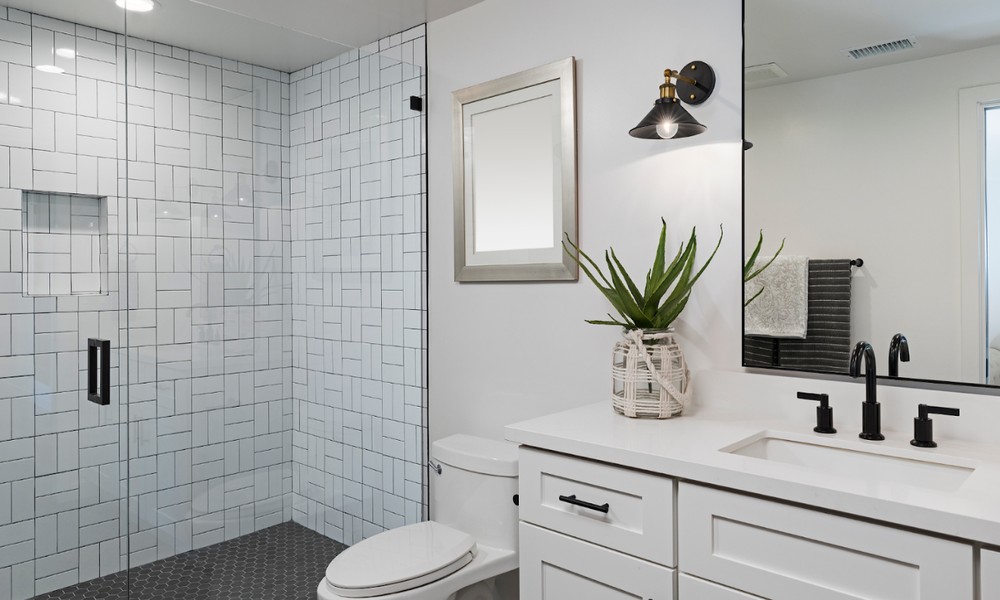
Bathroom remodeling often starts with surface-level goals like updating old finishes, replacing fixtures, or making the room look more modern. But once the work is done and homeowners begin using the space every day, they often realize that the most valuable upgrades are the ones that improve comfort, storage, lighting, and overall function.
A beautiful bathroom matters, but a well-designed bathroom tends to make a bigger difference over time. The features homeowners appreciate most are usually the ones that solve daily frustrations and make routines feel easier. Here are nine smart bathroom design features Long Island homeowners often wish they had included from the beginning.
1. Better Storage Built Into the Design
One of the most common regrets in bathroom remodeling is not planning enough storage. A bathroom may look clean and open right after renovation, but if there is no place for towels, toiletries, extra paper products, hair tools, and everyday essentials, clutter builds up quickly.
Built-in storage features such as vanity drawers, recessed medicine cabinets, tall linen towers, and wall niches can help keep everything organized without overcrowding the room. Homeowners often wish they had prioritized storage earlier because it has such a strong impact on how the bathroom functions day to day.
When storage is planned from the start, the room usually feels cleaner, calmer, and easier to maintain.
2. A Larger or More Functional Vanity
The vanity is one of the hardest-working elements in a bathroom, yet many older bathrooms still have limited counter space and poor drawer organization. Homeowners frequently realize after remodeling that a slightly larger vanity, or one with better drawer configuration, would have made a major difference.
A more functional vanity can improve both usability and appearance. Extra countertop space can make morning routines less rushed, while deep drawers and divided storage can help keep small items from taking over the sink area. In shared bathrooms, a double vanity may also reduce crowding and make the room more efficient for busy households.
This is one of those features that homeowners appreciate more and more over time.
3. Layered Lighting Instead of a Single Fixture
Lighting can dramatically affect how a bathroom looks and feels, yet it is often underestimated during the design process. A single overhead fixture may technically light the room, but it rarely creates the most flattering or functional environment.
Layered lighting includes a mix of overhead illumination, vanity lighting, and sometimes accent or shower lighting. This approach helps reduce shadows, improves visibility for grooming tasks, and makes the bathroom feel warmer and more inviting. Dimmers can also add flexibility, allowing homeowners to adjust the mood and brightness depending on the time of day.
Many people do not realize how important good lighting is until they live with a bathroom that lacks it.
4. A Walk-In Shower With Practical Details
A walk-in shower is often one of the most requested features in a bathroom renovation, but the real value comes from how well it is designed. Homeowners sometimes wish they had included details such as a built-in bench, recessed niches, a handheld showerhead, or a wider entry.
These additions can make the shower more comfortable, easier to use, and more visually streamlined. They also improve storage and make the space feel more intentional. A shower that is thoughtfully planned tends to feel more luxurious while still serving everyday needs.
Homeowners working with a skilled bathroom remodeling contractor often discover that these small details have a big impact on long-term satisfaction.
5. More Durable, Low-Maintenance Materials
It is easy to focus on color and style during a remodel, but material performance matters just as much in a bathroom. Moisture, frequent cleaning, and daily use can take a toll on surfaces that are difficult to maintain or not suited for the environment.
Many homeowners later wish they had chosen materials that were easier to clean and more resistant to wear. Larger tiles with fewer grout lines, quartz countertops, moisture-resistant cabinetry, and quality hardware can all reduce maintenance while helping the bathroom hold up better over time.
A smart material choice does not just look good on day one. It continues to support the space for years.
6. Improved Ventilation
Ventilation is not the most exciting part of bathroom design, but it is one of the most important. A poorly ventilated bathroom can lead to excess moisture, lingering humidity, peeling paint, and even mold concerns over time.
Homeowners often wish they had upgraded their ventilation system during the renovation instead of treating it as a minor detail. A good exhaust fan helps protect finishes, improve comfort, and keep the air fresher after showers and baths. Some models also operate more quietly, which adds to the overall feel of the space.
This is one of those hidden features that may not stand out visually but can make a major practical difference.
7. Electrical Upgrades in the Right Places
Modern bathrooms often rely on more electrical access than older layouts were designed to support. Hair dryers, electric razors, toothbrush chargers, and styling tools all need convenient outlets, and homeowners often realize too late that their outlet placement is not ideal.
Adding outlets in practical locations, including inside vanity drawers or medicine cabinets when appropriate, can make the bathroom feel much more functional. Upgraded electrical planning can also support heated floors, towel warmers, better lighting controls, and smart features that enhance comfort.
It is much easier to add these improvements during a renovation than after the project is complete.
8. Thoughtful Comfort Features
Some bathroom upgrades may seem optional at first, but they often become the features homeowners value most. Heated floors, towel warmers, built-in benches, and soft-close drawers are good examples. These details may not be essential, but they can noticeably improve daily routines.
Comfort features tend to matter most in colder months, busy mornings, and moments when homeowners want the bathroom to feel more relaxing rather than purely functional. A little added comfort can make the room feel more personal, polished, and enjoyable to use.
These are often the features people say they wish they had not skipped.
9. A Layout Designed Around Real Daily Use
One of the biggest mistakes in bathroom remodeling is focusing too much on appearance without fully considering how the room will function every day. Homeowners often wish they had spent more time thinking about door swings, fixture placement, traffic flow, and how multiple people might use the space at once.
A smart layout can make a bathroom feel larger, more efficient, and easier to navigate even if the square footage does not change. Sometimes the most important improvement is not adding more, but arranging the room in a way that better supports real life.
When the layout works well, the entire bathroom tends to feel more successful.
Bathroom remodeling is not just about updating finishes. The most successful spaces are the ones that combine style with function in ways that make daily life easier. Features like better storage, layered lighting, improved ventilation, durable materials, and thoughtful layout choices often become the upgrades homeowners appreciate most.
For Long Island homeowners planning a bathroom renovation, thinking beyond the basics can lead to a space that feels better not only when the project is finished, but for many years after.
