

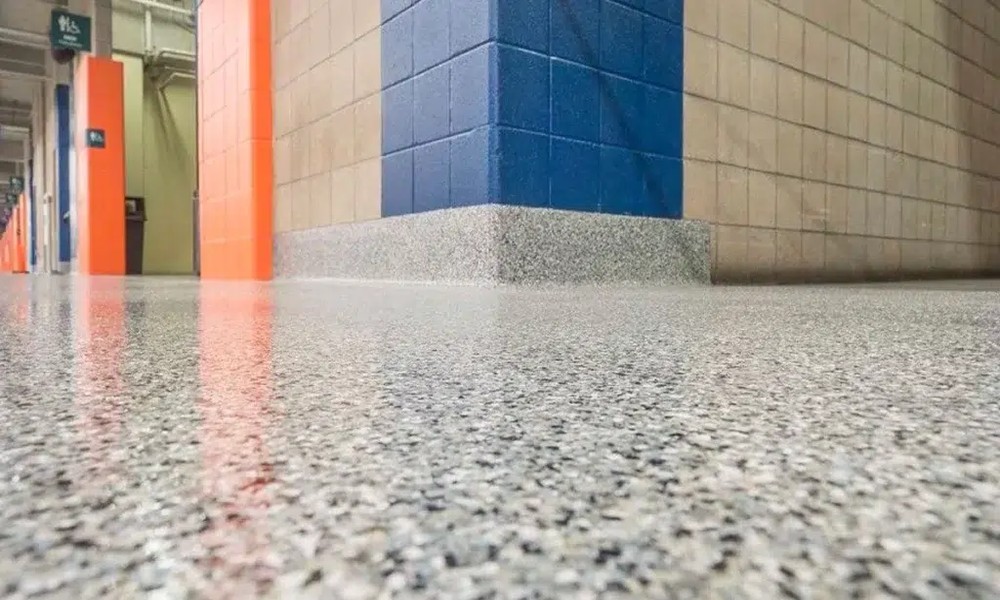
The emergence of resin flooring as a dominant force in industrial and commercial construction represents one of those quiet revolutions that fundamentally alter an industry without fanfare or public recognition. Yet for those who study the evolution of building materials and construction practices, the rise of synthetic resin floor systems marks a decisive break from centuries of reliance upon traditional materials. Understanding the varieties, advantages, and proper installation of these systems illuminates not merely technical specifications, but the broader transformation of how we construct and maintain the spaces in which modern commerce and industry operate.
The Taxonomy of Resin Floor Systems
To grasp the full scope of resin flooring technology, one must first distinguish among its principal variants, each developed to address specific requirements and constraints. The distinctions matter considerably, for selecting the wrong system proves as consequential as selecting the wrong tool for a task.
Epoxy resin flooring
Stands as perhaps the most widely recognised category. Composed of epoxy resin combined with polyamine hardeners, these systems cure into exceptionally hard, durable surfaces. They excel in environments demanding chemical resistance and mechanical strength, qualities that explain their dominance in manufacturing facilities and warehouses.
Polyurethane resin floors
Offer different characteristics. More flexible than epoxy alternatives, they tolerate thermal shock and impact with greater resilience. Food processing plants and commercial kitchens frequently specify polyurethane systems precisely because they withstand the temperature extremes and physical abuse inherent to those operations.
Methyl methacrylate resin systems, or MMA floors
Cure with remarkable speed, often becoming trafficable within hours of application. This rapid turnaround makes them invaluable when downtime must be minimised. Cold storage facilities and retail operations requiring overnight installation frequently employ MMA technology.
Polyaspartic resin coatings
Represent the newest development in this evolving field. They combine rapid curing with exceptional UV stability, making them suitable for both interior and exterior applications. The technology, though relatively recent, has gained traction in contexts where traditional resin systems prove inadequate.
The Compelling Advantages of Resin Floor Systems
The proliferation of resin-based flooring stems from a constellation of benefits that traditional flooring materials simply cannot match. Consider the evidence:
Exceptional durability
These systems routinely serve facilities for 15 to 25 years, far exceeding the lifespan of conventional alternatives whilst requiring minimal maintenance.
Seamless installation
The liquid application creates monolithic surfaces without joints or seams, eliminating the weak points that plague tile or vinyl systems.
Chemical impermeability
Resistance to acids, alkalis, solvents, and petroleum products protects the underlying concrete whilst simplifying cleaning protocols.
Hygienic properties
Non-porous surfaces prevent bacterial colonisation, a critical consideration in food production, healthcare, and pharmaceutical applications.
Design flexibility
Available in virtually unlimited colours and finishes, these systems allow facility managers to implement colour-coded zones, wayfinding, and aesthetic enhancement.
Safety enhancement
Anti-slip aggregates can be incorporated, whilst high-gloss finishes improve light reflectivity, reducing energy consumption and improving visibility.
Professionals specialising in Singapore’s resin flooring installations observe, “The transition from traditional flooring to resin systems represents not merely a change in materials but a fundamental reconceptualisation of what floors can accomplish.”
The Installation Process: Precision and Preparation
Success with synthetic resin flooring depends absolutely upon rigorous adherence to proper installation procedures. The process, though straightforward in principle, demands expertise and attention to detail at every stage.
- Surface preparation constitutes the foundation of success. The concrete substrate must be thoroughly cleaned, typically through mechanical grinding or shot blasting. Any contaminants, existing coatings, or laitance will compromise adhesion. The surface must then be properly profiled to ensure mechanical bonding between substrate and resin system.
- Moisture testing cannot be neglected. Excessive moisture within the concrete will prevent proper curing and potentially cause catastrophic failure. Professional installers employ calcium chloride tests or relative humidity probes to verify conditions before proceeding.
- Primer application follows preparation. The primer penetrates the concrete pores, creating the chemical bridge between substrate and subsequent resin layers. Selection of the appropriate primer depends upon both the concrete condition and the resin system being installed.
- Base coat installation builds the primary thickness and establishes the structural foundation of the floor. Depending upon system type and performance requirements, this may involve self-levelling compounds, trowel-applied screeds, or broadcast systems incorporating decorative or functional aggregates.
- Topcoat application provides the final protective layer and aesthetic finish. This seal coat determines the floor’s ultimate resistance to chemicals, abrasion, and UV exposure. Multiple topcoats may be specified for particularly demanding environments.
According to experts working with Singapore’s resin flooring systems, “Installation failures almost invariably trace back to inadequate surface preparation or failure to control environmental conditions during application and curing.”
Critical Considerations for Specification
Selecting appropriate resin floor coatings requires careful analysis of operational requirements. Traffic intensity, chemical exposure, thermal conditions, and aesthetic preferences all influence the decision. Light retail environments demand different specifications than heavy manufacturing facilities.
Budget considerations extend beyond initial installation costs. Life-cycle analysis, accounting for maintenance requirements, expected lifespan, and potential downtime for repairs, often reveals that premium systems deliver superior value despite higher upfront investment.
Environmental conditions during installation significantly impact outcomes. Temperature and humidity must fall within manufacturer specifications. In tropical climates such as Singapore, controlling these variables often requires temporary climate management, adding complexity and cost to projects.
Conclusion: The Informed Choice
The evolution of flooring resin technology reflects broader patterns in industrial development. As operations become more sophisticated, demanding higher performance from every component, materials advance to meet those demands. Understanding the types available, the benefits they confer, and the installation processes required empowers facility managers to make decisions grounded in knowledge rather than conjecture. For those willing to invest the time in understanding these systems, the rewards manifest in floors that perform reliably for decades, supporting operations whilst requiring minimal intervention. The choice, ultimately, comes down to recognising that floors represent not mere surfaces but critical infrastructure deserving thoughtful specification and proper installation of resin flooring.
